




Choosing a door feels like a small decision until you are standing in a home decor showroom surrounded by options and realizing you have no idea what you are looking for. The truth is that the doors inside your home do quite important jobs: they shape how a room feels, how sound travels, and how your home looks as a whole.
Pine wood interior doors have been a go-to choice for Canadian homeowners for decades, and for good reason—they are warm, workable, and genuinely beautiful when chosen well. The wrong door in the wrong room, though, can feel off in a way that is hard to put a finger on but impossible to ignore.
In this post, we discuss eight key tips for selecting the right pine wood interior door for every room in your Toronto-area home. This will help you make an informed decision you will be proud of for years to come.
Key Factors to Consider When Choosing Pine Wood Interior Doors
Choosing the right pine wood interior door comes down to understanding your home, your needs, and a few key details that most Toronto-area homeowners overlook. Let's walk through them together.
Match the Door Profile to the Architecture of Your Home
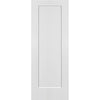
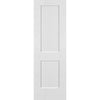
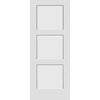
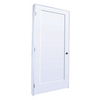
The style of your interior door should match the overall design of your home. For example, a Shaker-style door with its simple, flat-panel design works well in modern or transitional homes, while a raised-panel door fits better in traditional or classic interiors.
Pine wood interior doors come in a variety of profiles, from basic flat slabs to more detailed multi-panel designs. Each profile has a specific look that should align with the room and your home’s overall style. When the door style doesn’t match the home’s architecture, it can create a sense of disconnection, even if it’s hard to pinpoint exactly why.
Your trim, baseboards, and casings are also important factors. For instance, pairing a Shaker door with ornate Victorian casing can create unnecessary visual clutter, while a simple slab door with minimal square-edge trim will look clean and cohesive.
Think About Privacy Needs Room by Room
Each room in your home has different privacy needs, and your door choice should reflect that.
For example, a bedroom requires visual privacy and sound separation, while a laundry room or linen closet doesn’t require the same level of privacy. For bedrooms and bathrooms, a solid core door—whether made of pine or another wood—provides the density needed to reduce sound transfer effectively.
In hallways or open living areas, where light and airflow are more important, a lighter construction or even a door with glass panels may be a better option.
Considering privacy requirements room by room also helps you budget more effectively. You don’t need to spend the same amount on every door in your home. Choosing a more solid, high-quality door for the bedroom or home office while opting for a more budget-friendly option for a storage room is a smart and practical choice that many renovators recommend.
Consider the Direction the Door Swings
While it may seem like a basic detail, the direction in which a door swings is often overlooked, and it can lead to frustration after installation.
The swing direction affects furniture arrangement, traffic flow, and safety, especially in smaller spaces like bathrooms, where an inward-swinging door can be a hazard.
Before choosing your pine wood interior doors, take a moment to sketch each room and mark where the hinges will sit. A door that swings into a hallway instead of the room can often cause issues.
In smaller rooms, the wrong swing direction can block light switches, hide closets, or make furniture placement difficult. If space is tight, consider alternatives like a barn door or sliding door, which may work better.
Taking these simple steps before purchasing will save you from unnecessary frustrations later on.
Pay Attention to Door Height and Proportion
Standard interior doors are typically 80 inches tall, but this is not always the best option. In homes with higher ceilings, which are common in many newer builds across Ontario, an 80-inch door can look out of place. A tall door, such as an 84-inch or 96-inch option, fills the space and helps the room feel complete.
Proportion is key in interior design, and doors play a significant role. For example, a large, open concept living area with 10-foot ceilings would benefit from a tall door that matches the scale of the space.
Pine wood interior doors are a great choice for tall doors because pine is relatively lightweight compared to denser hardwoods, making it easier to install.
Tall doors can enhance your home’s value, too, especially if you are renovating for resale. Just make sure to measure the height of your door frame before selecting a door size.
Choose a Finish or Stain That Works With Your Floors and Trim
Pine takes stain beautifully, though it does require a bit more care in preparation than some other species due to its natural tendency to absorb stain unevenly. With the right approach, however, pine delivers a warm, rich colour that can range from a pale honey tone to a deep walnut-adjacent brown.
The key is to coordinate your door finish with your flooring and trim before committing to anything. If you have warm engineered hardwood floors with amber undertones, a complementary pine stain in a similar warm family will make your space feel put-together.
Conversely, a cool grey or stark white painted door can look jarring beside warm flooring. Wood doors are often finished in white or off-white paint for a clean, timeless look that works well in both modern and traditional homes in the Toronto area.
This is a completely valid choice for pine, as it paints exceptionally well and holds up to a quality topcoat with great durability. Whatever you choose, consistency across your floors, doors, and trim creates a home that feels designed rather than assembled.
Decide Between Pre-Hung and Slab Doors Early
Choosing between a pre-hung door and a slab door affects your budget, timeline, and the door’s installation process, so it's best to decide before getting attached to a specific door style. A slab door is just the door itself; no frame or hinges are included.
A pre-hung door, on the other hand, comes with the frame and hinges already attached. It is ideal for new construction or if the existing frame is damaged.
Pine wood interior doors are available in both styles, and each one has its practical uses. For example, a first-time renovator working alone will typically find a pre-hung door easier to install with fewer chances for error. Pre-hung doors also ensure that the frame is perfectly square, which makes for smoother operation over time.
Be sure to understand your needs before making a decision.
Factor In How Much Natural Light the Room Receives
Rooms that don’t get much natural light benefit from a thoughtful door choice. Solid panel doors block light, making them great for bedrooms or media rooms, but potentially making darker hallways or rooms feel even more closed off.
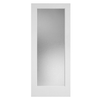
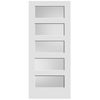
If you have a space that struggles with light, consider a door with a glass panel, even a small one, to allow some light to pass through without sacrificing privacy.
Frosted or textured glass provides light while maintaining privacy. On the other hand, rooms with plenty of natural light can accommodate a solid wood door without issue.
Consider how wood doors in the Toronto area will handle seasonal changes. Ontario winters can be harsh, and humidity levels fluctuate throughout the year. Pine is a stable wood that performs reasonably well with these changes, but proper finishing and sealing will help extend the lifespan and durability of any pine wood interior door.
Think About Long-Term Maintenance Before You Commit
Pine wood interior doors are softer than hardwoods like oak or maple, making them prone to dents and dings, especially in high-traffic areas like hallways, kids' rooms, or busy kitchens. However, pine is also one of the easiest woods to repair. Small dents can be filled and painted over with little effort.
Pine also takes paint well, so if your tastes change or you decide to repaint a room, your doors can easily be updated without a large investment.
In low-traffic rooms like a home office, guest room, or formal dining room, pine's softer nature usually isn't an issue.
The key is to match the door's durability to the everyday use of each room. Being realistic about how each space is used will help you make the right choice and avoid frustration down the line.
Enhance Your Space with the Right Doors and Accessories from Home Care Supply

When selecting pine wood interior doors and coordinating your home’s finishing touches, it is essential to think about both aesthetics and ease of installation. Here are two key tips that will help you make the right choices.
Know the Difference Between Solid Core and Hollow Core Pine Doors
As already mentioned, when selecting pine wood interior doors, it is essential to consider the core construction, as it plays a key role in both functionality and price.
Solid core doors offer added weight and provide better soundproofing, making them ideal for rooms like bedrooms, home offices, and bathrooms where privacy and noise control are a priority. On the other hand, hollow core doors are lighter and more affordable, making them a practical choice for areas such as closets, utility rooms, or spaces where budget is a main concern.
At Home Care Supply, you will find a range of options in both solid core and hollow core configurations. Whether you are renovating a space where soundproofing is crucial or you need an economical solution for a less trafficked area, Home Care Supply’s inventory provides flexibility. Our pine wood interior doors can easily meet the varying needs of different rooms without compromising on style or quality, offering a consistent look throughout your home.
Coordinate Your Doors With Your Trim, Casings, and Baseboards
A door does not exist in isolation. It is part of a larger design that includes trim, casings, and baseboards. Choosing a door without considering these elements is like picking an outfit without thinking about the accessories.
For example, if your pine wood interior doors feature clean, square lines, your casing should follow suit. Conversely, if you choose a door with a more traditional look, you can balance it with a detailed casing for a complementary effect. Home Care Supply offers a variety of casings, baseboards, door jambs, and trims designed to work perfectly with their door selection.
Shopping for both at once removes any guesswork, ensuring a consistent look and ease during installation.
Consider Barn Doors for Rooms Where Space Is at a Premium
Not every room can accommodate a door that swings. Small bathrooms, tight hallways, pantry entrances, and compact laundry rooms often benefit from a sliding barn door. This eliminates the swing clearance entirely and often becomes a design feature in its own right.
Barn doors have moved well beyond their farmhouse roots and now come in styles that suit modern, transitional, and even minimalist interiors. A pine-faced barn door with a matte black sliding hardware set, for instance, reads as contemporary rather than rustic.
Home Care Supply carries barn doors as part of their broader door collection, and they pair beautifully with the trim and flooring options. It is a solution that solves a practical problem while adding genuine visual interest.
Choosing a door that functions well, looks good, and lasts is a rewarding decision. Pine wood interior doors offer durability, warmth, and versatility, making them a choice for many rooms in your home. The key is understanding your space's needs and your home's style, along with details like trim and swing direction. Home Care Supply, with showrooms in Vaughan and Burlington and online shopping, offers a wide range of pine wood interior doors and matching trim to suit your needs. We help you make the right choice with ease.


