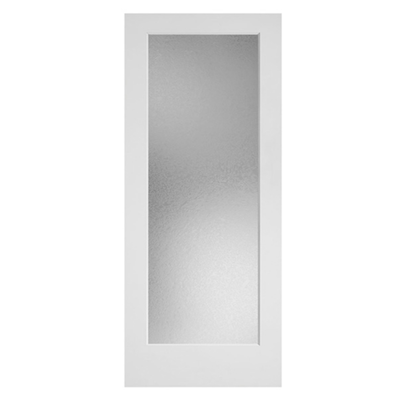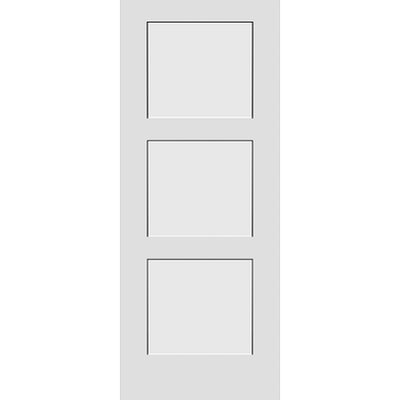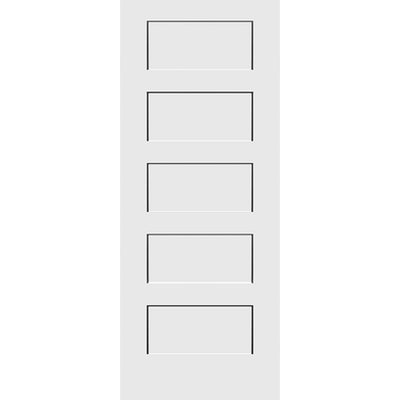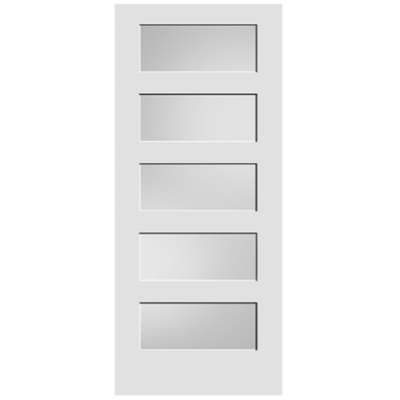
New Arrivals

Vanities

Kitchen Faucets

Floorings

Our Blogs

Pre-hung Interior Doors: 7 Common Mistakes Toronto Homeowners Should Avoid

Pre-hung Interior Doors: 7 Common Mistakes Toronto Homeowners Should Avoid

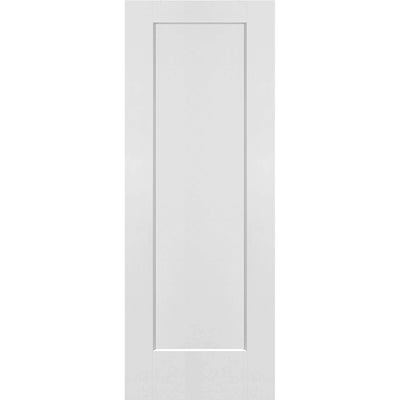
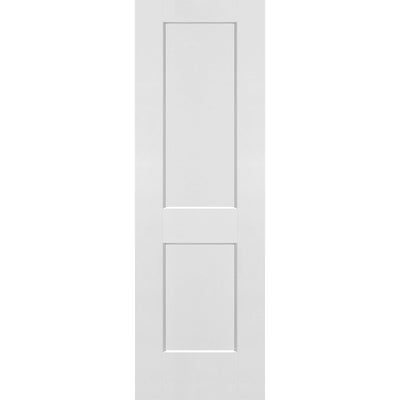
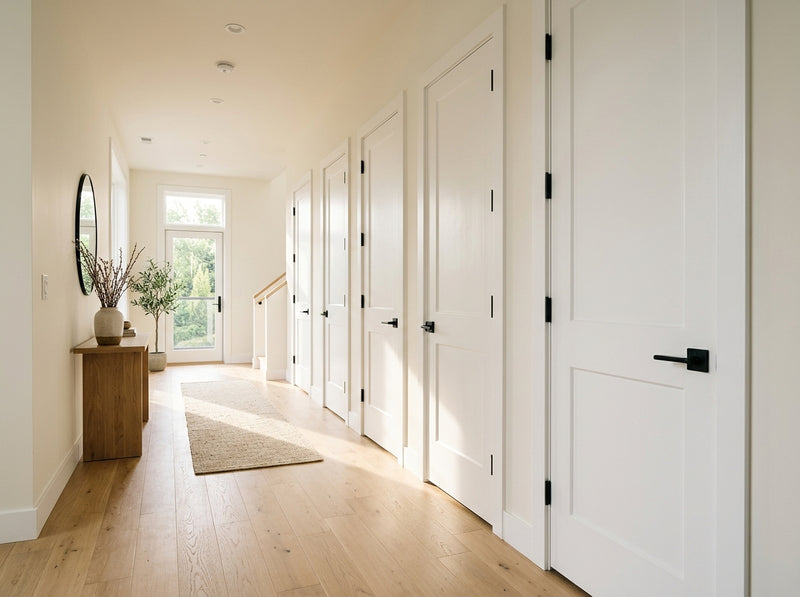
Many homeowners in Toronto focus on floors, paint, and cabinets during renovations, with doors getting less attention. But interior doors play a big role in how a home looks and functions every day. Choosing the wrong type or installing them the wrong way can lead to long-term frustration, higher costs, and poor results. Pre-hung interior doors are popular because they come with the frame already attached, which saves time and reduces installation issues. However, many people assume that buying a door is simple and rush the process. This often leads to mistakes that affect comfort, privacy, and even resale value. Toronto homes have unique needs. Older houses, condos, and newer builds all have different wall structures and space limits. Ignoring these details can cause problems that only show up after installation. Poor planning can also result in doors that do not close properly or look out of place. Understanding these common mistakes helps homeowners make better decisions before spending money. In this blog, we will discuss the mistakes that Toronto homeowners should avoid when buying and installing pre-hung interior doors. Pre-hung Interior Doors: Key Errors That Affect Your Home Let us look at the most common mistakes that Toronto homeowners make and how they can be avoided with better knowledge and preparation. 1. Not Measuring the Door Opening Correctly One of the most common mistakes is assuming all door openings are the same. Many Toronto homes, especially older ones, have uneven walls or non-standard door openings. If measurements are off by even a small amount, the door may not fit properly. People often measure only the width and forget about height and wall thickness. This causes gaps or forces installers to cut into the wall. As a result, the door frame may not sit straight. This affects how the door opens and closes. Moreover, walls are not always perfectly square. If this is ignored, a pre-hung interior door can swing on its own or scrape the floor. Taking accurate measurements from multiple points helps avoid these issues. Proper measuring saves time, money, and frustration later in the process. 2. Choosing Style Over Function Many homeowners pick doors based only on how they look. While appearance matters, function is equally important. A door that looks good but does not suit the room’s purpose will quickly become a problem. For instance, a bedroom needs privacy and sound control. A thin or hollow door may allow noise to pass through easily. On the other hand, living areas may benefit from designs like interior French doors that allow light to move between rooms. Swing direction also matters. Choosing the wrong swing can block furniture or make a room feel tight. For example, in a living room, if a door swings inward, it might block access to a sofa or side table, limiting space for movement.Ā  Thinking about how the room is used every day helps balance style with practicality. A door should support daily life, not complicate it. 3. Ignoring Door Material Quality Not all doors are made the same, and material quality makes a big difference. Some homeowners choose cheaper options without understanding the long-term effects of such a decision. Low-quality doors are often less expensive but more likely to warp, dent, or lose shape over time. These doors might look fine at first, but they can quickly lose their structural integrity. For instance, an entry-level hollow core door may be suitable for a closet, but for high-traffic areas, it won’t hold up as well. A pre-hung solid core door, on the other hand, provides better sound reduction and feels more durable when opened or closed. This is especially useful for bedrooms, home offices, or shared living spaces where privacy and noise control are important. A solid core door offers good insulation, making it ideal for Toronto's varying temperatures.Ā  Quality materials also handle humidity changes better. For example, solid wood doors or engineered doors with moisture-resistant features are quite stable in Toronto’s seasonal weather, which can affect indoor conditions. Choosing premium materials like solid wood or premium engineered doors helps the door last longer, maintain its shape, and withstand the changing seasons. Spending wisely when it comes to buying a pre-hung interior door avoids repeated repairs and the need for frequent replacements down the road. 4. Overlooking Local Building Conditions Interior doors in Toronto-area homes face specific challenges. For example, condos often have strict rules, while older houses may have uneven framing. Ignoring these conditions leads to installation problems. For example, in older homes, the door frame might not be square, or the walls might have shifted slightly, causing the door to misalign. Buying an interior door without checking these details can lead to delays or added costs. Hallway width and ceiling height also matter during installation. A door that fits on paper may be hard to move inside the home. Understanding local building conditions before buying helps prevent surprises and keeps the project on track. 5. Assuming Installation Is Always Simple Many people believe pre-hung doors are easy to install without professional help. While they do save time, proper installation still requires skill. An incorrectly installed door can cause long-term problems. If the frame is not level, the door may not latch properly. Over time, this leads to wear on hinges and handles. Gaps around the frame can also affect insulation and noise control. Furthermore, improper installation can damage surrounding walls. Fixing these mistakes often costs more than hiring help in the first place. Knowing when to seek professional assistance helps protect both the door and the home’s structure. 6. Forgetting About Door Hardware Compatibility Door hardware is often treated as an afterthought. However, handles, hinges, and locks must match the door’s thickness and weight. Using the wrong hardware can affect how the door works. Heavier doors need stronger hinges to support their weight. If hinges are too weak, the door may sag. Handles that do not fit properly can loosen or fail early. Hardware style should also match the door design and home interior. Planning hardware choices along with the door avoids mismatches. Proper compatibility improves performance and keeps the door working smoothly for years. 7. Skipping Sound and Privacy Considerations Many homeowners do not think about sound control until after installation. This mistake becomes clear when noise travels easily between rooms. Privacy matters, especially in shared homes. Bedrooms, bathrooms, and offices benefit from doors that block sound. Thinner doors allow conversations and noise to pass through. This affects comfort and focus. Furthermore, gaps around the door frame reduce sound control. Proper fitting and sealing help reduce this issue. Thinking about privacy needs early helps you choose the right door type for each room and improves daily living. Key Factors That Help You Choose Better Doors Understanding the following factors helps homeowners make confident decisions and get better value from their purchase. Understanding Room-Specific Needs Each room serves a different purpose. Bedrooms need privacy, while common areas may benefit from light flow. Choosing doors based on room use improves your comfort. For example, storage rooms may not need heavy doors, while offices benefit from sound control. Bathrooms require doors that handle moisture well. Matching door features to room needs improves your long-term satisfaction with your pre-hung interior doors. Furthermore, considering daily routines helps determine swing direction and handle placement. Thoughtful planning makes the home easier to use and more comfortable for everyone. Planning for Long-Term Maintenance Doors are used every day, so their maintenance matters. Some materials require more care than others. Understanding this helps avoid future frustration. Painted doors may need touch-ups, while certain finishes hide wear better. Hinges and handles also need occasional tightening. Choosing durable materials like solid woods reduces upkeep. Quality interior doors resist warping and cracking. Planning for maintenance keeps doors looking good and working well over time. This protects the homeowner’s investment. Choosing interior doors may seem simple, but small mistakes can create long-term problems. From measuring errors to rushed decisions, each issue affects comfort, appearance, and durability. Toronto homes have unique needs, and ignoring them leads to costly fixes. By understanding common mistakes and planning carefully, homeowners can make better choices. When selected wisely, pre-hung interior doors add value, improve privacy, and support daily living. For high-quality interior doors and expert advice tailored to your needs, contact Home Care Supply today and find the perfect doors for your home renovation project. Ā 
Read More
How to Pick the Best Mirror for Your Toronto Bathroom Vanity

How to Pick the Best Mirror for Your Toronto Bathroom Vanity

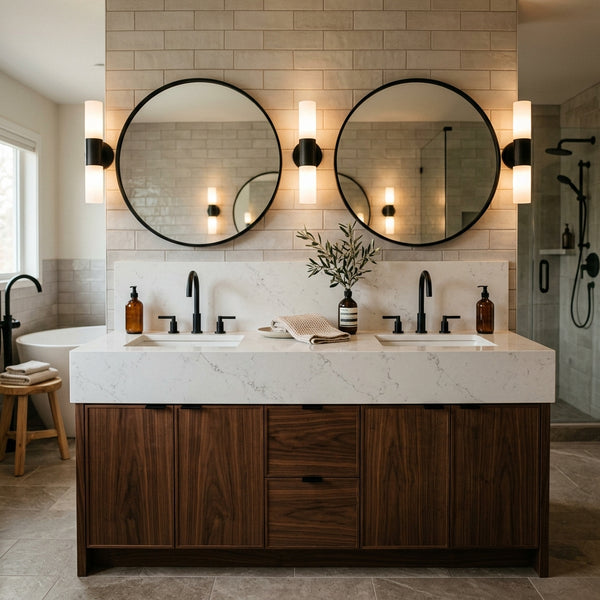
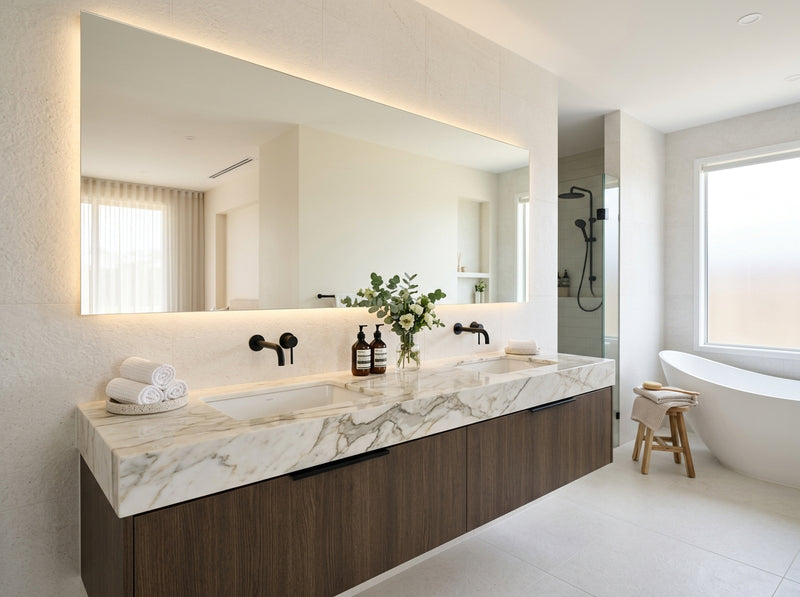
Having the right bathroom mirror on top of your Toronto-area home’s vanity is more important than many homeowners realize. A mirror is not only used for daily routines like brushing teeth or getting ready for work. It also affects how your bathroom looks and feels. The wrong mirror can make the space feel smaller, darker, or unbalanced, while the right one can make a big difference in the space’s comfort and appearance. In Toronto-area homes, bathrooms come in many sizes and styles. Some are compact condo bathrooms, while others are larger family bathrooms in houses. Because of this, one mirror style cannot possibly suit every space. After all, it must match the vanity, lighting, wall space, and overall bathroom design to work well. Many homeowners feel confused when shopping because there are so many shapes, sizes, and styles of mirrors available. Without clear guidance, it is easy to choose something that looks good in the store but does not work as well at home. Here, we will discuss how to choose the right mirror to place above your bathroom vanityĀ  Bathroom Mirrors: Know These Basics Before You Buy Before choosing a mirror, it helps to understand how they work with vanities and bathroom layouts. The following points explain the basics that connect your vanity, mirror, and overall bathroom space. 1. Understanding the Role of a Mirror in Your Bathroom A bathroom mirror does much more than show your reflection. It also reflects light, which can make a bathroom look brighter and more open. This is especially helpful in smaller Toronto-area bathrooms where natural light is often limited. A well-placed mirror spreads light from windows or fixtures across the room. Moreover, the bathroom mirror helps balance the vanity visually. If the mirror is too small, the vanity can look heavy and out of place. If it is too large, it may overpower the space. The mirror should look like it belongs with the vanity rather than appearing as an afterthought. Furthermore, mirrors affect your daily comfort in terms of using your bathroom. A mirror at the wrong height or size can make grooming difficult for family members of different heights. Choosing a properly proportioned mirror improves everyday use and long-term satisfaction. 2. Choosing the Right Size for Your Vanity The size of your mirror should match the width of the vanity to create a balanced look. In most cases, the mirror should be the same width or slightly less than the vanity. This creates a clean and organized appearance. For example, a 36-inch vanity usually pairs well with a mirror between 30 and 36 inches wide. Height also matters. Taller mirrors work well in bathrooms with higher ceilings because they draw the eye upward. Shorter mirrors may feel cramped, especially in narrow bathrooms. However, extremely tall mirrors may clash with lighting fixtures or cabinets. Be sure to leave some wall space around the mirror. Crowding the mirror against shelves or side walls can make the bathroom feel tight. A well-sized mirror improves both your comfort and the room’s visual balance. 3. Matching the Mirror Style with Your Vanity The style of your bathroom vanity mirror should match the vanity for a consistent look. For example, simple rectangular mirrors often work well with modern vanities, while framed mirrors suit traditional designs. Mixing styles without intention can make the bathroom feel disorganized. Frame material also matters. Wood frames add warmth while metal frames offer a cleaner and simpler look. Frameless mirrors create a minimal appearance and work well in smaller bathrooms because they feel lighter. Moreover, matching finishes helps bring everything together. If your vanity has brushed nickel hardware, choosing a mirror with a similar finish creates visual harmony. This small detail can greatly improve the overall look of the bathroom. 4. Considering Wall Space and Bathroom Layout Every bathroom has a different layout, and wall space plays a big role in your choice of mirror. Bathrooms in some Toronto-area homes have limited wall space because of windows, shelves, or medicine cabinets. In such cases, a narrower or custom-sized mirror may work better. Additionally, consider how doors and cabinets open. A mirror placed too close to these elements can get in the way or feel awkward. The mirror should fit naturally into the available space without causing daily inconvenience. 5. Thinking About Long-Term Use A mirror is not something homeowners replace often, so durability matters. Moisture-resistant backing helps prevent damage, especially in bathrooms with limited ventilation. Quality glass also resists distortion, which improves daily use. Lastly, consider how easy the mirror is to clean. Smooth surfaces and simple frames reduce maintenance and keep the bathroom looking fresh. Design and Function That Matters in Your Bathroom Mirror Here are a few factors that affect how comfortable and practical your bathroom feels every day. 1. Choosing Between Framed and Frameless Mirrors Framed mirrors add character and can become a design feature in the bathroom. They work well when you want the mirror to stand out. Frames can also hide wall imperfections, which is helpful in older Toronto-area homes. Frameless mirrors, on the other hand, offer a clean and simple look. They blend into the wall and make the bathroom feel more open. This option works especially well in smaller bathrooms or condos where space feels limited. Furthermore, frameless mirrors are often easier to pair with different vanity styles. They provide flexibility if you plan to update your vanity later. For example, frameless mirrors work well with modern, minimalist vanities with clean lines and simple designs. They also complement contemporary floating vanities, where the mirror can reflect light and open up the space.Ā  On the other hand, framed mirrors often pair better with traditional vanities that feature intricate woodwork or more classic ornamental designs. They can also suit rustic-style vanities with reclaimed wood or vintage finishes, enhancing the warmth of the bathroom. Both options work well, but your choice depends on your bathroom style and personal preference. 2. Understanding Mirror Shapes and Their Impact Rectangular mirrors are the most common because they match most vanities. They also provide a wide viewing area and suit both modern and traditional bathrooms. This makes them a safe and practical option. Round and oval mirrors soften the look of the bathroom. They work well in powder rooms or smaller spaces where you want to reduce sharp lines. These shapes also pair nicely with simple vanities and light-coloured walls. However, unusual shapes should be used carefully. While they can look stylish, they may limit viewing space or clash with storage needs. Always consider how you use a space daily before choosing a decorative shape. 3. Lighting and Mirror Placement Lighting plays a major role in how a mirror functions. Poor lighting can create shadows, making grooming difficult. Placing the mirror where it can reflect natural light helps brighten the space. Wall-mounted lights on both sides of the mirror provide even lighting. This reduces shadows on the face and improves visibility. Overhead lighting alone often creates uneven light, which can be frustrating. Additionally, the mirror should not block light fixtures. Planning the mirror and lighting together leads to better results and a more comfortable bathroom experience. 4. Coordinating with Vanity Storage and Cabinets Many bathrooms include storage above or around the vanity. In such cases, your mirror choice must work with these elements. Medicine cabinets with mirrored doors offer storage and reflection in one solution. However, these cabinets must be sized correctly. A cabinet that is too deep or wide can feel bulky. Slim designs work better in smaller Toronto bathrooms. If you prefer a separate mirror, make sure it does not interfere with cabinet doors or shelves. Clear spacing keeps the bathroom functional and easy to use. 5. Working with Modern Bathroom Trends in Toronto Many homeowners today prefer clean and simple designs. This is why modern bathroom vanities in Toronto-area homes are often paired with minimal mirrors. Simple shapes and neutral finishes remain popular because they age well. Floating vanities often look best with mirrors that extend vertically. This creates balance and draws attention upward. Meanwhile, wider vanities pair nicely with horizontal mirrors. Furthermore, neutral mirror designs allow homeowners to update accessories later without replacing major items. This makes modern choices practical as well as stylish. Smart Mirror Buying Tips for Toronto-Area Homeowners Buying the right mirror locally becomes easier when you know what to look for. These tips focus on real needs and practical decisions. Knowing Where to Shop in the Toronto Area Local showrooms allow homeowners to see mirrors in person. This helps you judge size, quality, and reflection clarity better than online images. Many Toronto-area people searching for vanity mirrors prefer in-store visits for this reason. Showrooms also allow you to compare finishes and frame styles directly. This makes it easier to match the mirror with your vanity and other fixtures. Additionally, local staff often understand Toronto homes and can suggest suitable options based on how much space you have and your bathroom’s layout. Understanding Quality and Pricing Mirror prices vary based on glass quality, frame material, and size. Higher-quality glass provides clearer reflections and lasts longer, while low-quality mirrors may distort reflections or show wear quickly. Frames made from moisture-resistant materials perform better in bathrooms. This reduces the risk of warping or damage over time. While budget matters, choosing the cheapest option often leads to replacement sooner. Investing in a quality bathroom mirror saves you money and effort in the long run by not having to replace it. Making a Confident DecisionĀ  During bathroom vanity shopping, it helps to bring measurements and photos of your bathroom. This reduces guesswork and improves decision making. Take time to compare options and imagine how the mirror will look with your vanity and lighting. Rushing often leads to regret. Finally, choose a mirror that fits your daily needs, not just trends. Comfort, clarity, and proper fit matter most for long-term satisfaction. Choosing the right mirror for your bathroom vanity is a decision that affects both your comfort and the room’s appearance. A well-sized and well-placed mirror improves lighting, balance, and daily use. For anyone searching for the ideal ā€˜mirror on vanity’ in the Toronto area, taking time to plan and compare your options leads to the best results. If you are looking for the perfect mirror or vanity for your Toronto-area home’s bathroom, check out Home Care Supply for a wide selection of high-quality bathroom mirrors.Ā  Ā 
Read More
30-Inch Bathroom Vanity with Sink: 6 Options for Toronto-Area Homeowners

30-Inch Bathroom Vanity with Sink: 6 Options for Toronto-Area Homeowners

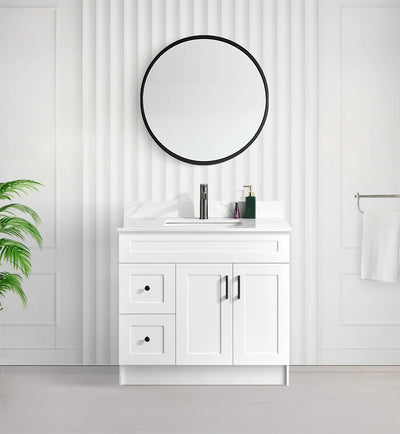
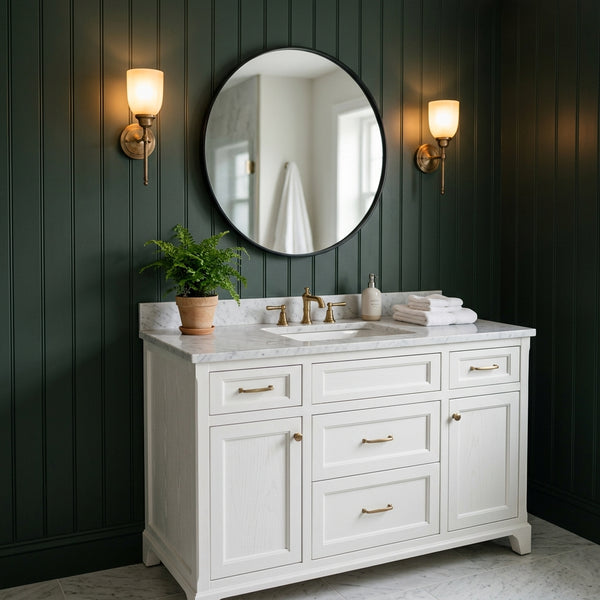
Space matters a lot in Toronto-area bathrooms, especially in condos, townhouses, and older houses where bathrooms are often smaller. On that note, homeowners want a vanity that fits well, looks good, and offers enough storage without crowding the room. A 30-inch vanity has become a popular choice because it balances space and function in practical ways. Many Toronto-area homeowners prefer this width of vanity because it works well in guest bathrooms, powder rooms, and smaller main bathrooms. It allows room for daily use without taking over the entire space. It also suits modern renovation trends where clean layouts and simple designs are valued. Choosing the right vanity is not only about its dimensions. Material quality, storage layout, sink style, and installation options all matter too. These factors affect how long the vanity lasts and how comfortable it feels to use in daily use. For Toronto-area homeowners, a 30-inch-wide bathroom vanity with sink offers a reliable and practical option. Here, we will discuss this vanity style in detail to help you make an informed purchase.Ā  Upgrade Your Toronto Bathroom with One of These 30-Inch Vanity Countertops with Built-In Sinks Let’s check out how this bathroom vanity size works in Toronto-area homes and what makes it a practical choice. 1. Ideal Size for Smaller Bathrooms A 30-inch vanity fits well into bathrooms where space is limited but daily use is required. Many Toronto-area condos and older homes have bathrooms that cannot handle large vanities. This size leaves enough space around it while still offering a proper sink and storage. It allows doors and drawers to open fully without hitting walls or toilets. Moreover, it gives enough counter space for daily items like soap, toothbrush holders, and skincare products.Ā  Toronto-area homeowners do not need to compromise comfort just because their bathroom is small. This size also works well for secondary bathrooms where functionality matters more than luxury. For homeowners dealing with limited square footage, this vanity size offers a practical and comfortable layout without overcrowding the room. 2. Works Well with Modern and Traditional Designs A 30-inch bathroom vanity suits both modern and classic bathroom styles found across Toronto-area homes. For instance, modern condos often favour clean lines, flat panels, and neutral colours such as light grey, beige, white, which this size supports well. At the same time, older homes with traditional designs can benefit from Shaker-style doors and warmer finishes. The size does not limit design choices, which is why it remains popular.Ā  Furthermore, homeowners can match it easily with existing tiles such as subway tiles or mosaic patterns, and fixtures like chrome faucets or brushed nickel handles. Whether the bathroom has a minimal look or a more traditional feel, this vanity size blends in naturally. This flexibility helps homeowners update their bathroom without changing everything else. 3. Easy Fit for Renovations and Replacements Many Toronto-area homes go through partial renovations where homeowners replace old fixtures such as outdated faucets and worn-out showerheads without changing plumbing lines. A 30-inch bathroom vanity often matches existing plumbing layouts such as typical drain connections and standard 4-inch centre-set faucets, which reduces extra work. This means lower installation costs and less renovation time. Contractors can install it faster because it fits common bathroom layouts.Ā  Furthermore, this size is widely available, making it easier to find replacement parts if needed. For homeowners who want a simple upgrade, this vanity size makes the process smoother and more affordable. 4. Suitable for Long-Term Home Value Choosing the right vanity size can affect your home’s resale value. A 30-inch vanity appeals to a wide range of buyers because it works in many bathroom types such as powder rooms and small guest bathrooms. Practical layouts include a single-sink vanity placed along one wall with enough space left for a toilet and open walking area, or a compact vanity paired with a wall-mounted mirror and basic storage underneath. These layouts feel open and are easy to use, which many buyers prefer. Future homeowners appreciate practical layouts that feel comfortable and functional.Ā  Moreover, this size does not feel outdated or oversized, which helps maintain its long-term appeal. Toronto-area buyers often look for bathrooms that feel clean and easy to use. Bold design choices, such as oversized vanities in tight spaces, very dark colours, heavy patterns, or unusual sink shapes, may limit buyer interest because they do not suit everyone’s taste. Installing a well-designed vanity of this size can add value without making bold design choices that may not suit everyone. Storage and Material Choices That Matter Here are a few storage and material options for this 30-inch bathroom vanity that affect both its daily use and durability. Drawer Storage for Better Organization Many Toronto-area homeowners prefer a 30-inch bathroom vanity with drawers because drawers make storage easier. Drawers allow users to see all items at once instead of digging through cabinets. This helps keep toiletries, grooming tools, and cleaning supplies organized. Moreover, drawers reduce clutter on the countertop because items have proper storage space. Soft-close drawers also reduce noise and wear over time. For families, drawer storage helps keep things tidy and accessible. In Toronto-area homes where bathrooms serve multiple users, organized storage makes daily routines smoother.Ā  Cabinet Materials That Handle Moisture Bathrooms deal with moisture daily, so material quality matters. Solid wood, plywood, and moisture-resistant medium-density fibreboard (MDF) are common choices for 30-inch vanities. These materials resist warping and swelling when exposed to humidity.Ā  Moreover, quality finishes such as polyurethane and lacquer protect the surface from water damage. The Toronto-area’s seasonal humidity changes make these durable materials, such as plywood-based cabinets and solid wood frames with protective finishes, especially important. Homeowners should avoid low-quality boards that may break down over time.Ā  Countertop and Sink Combinations The countertop plays a big role in daily use. A 30-inch vanity top with sink is often chosen in Toronto-area homes because it comes pre-fitted and reduces installation errors. These tops are usually made from quartz, ceramic, or cultured stone. They resist stains and are easy to clean. Integrated sinks reduce water splashes and keep edges sealed.Ā  Moreover, pre-matched tops save time during installation. For Toronto-area homeowners who want a clean and simple setup, this option offers both function and durability without extra hassle. Hardware That Supports Daily Use Drawer handles, hinges, and runners may seem small, but they affect your comfort in using the vanity and its lifespan. Quality hardware allows smooth opening and closing, even after years of use. Soft-close features reduce noise and prevent damage.Ā  Moreover, sturdy handles support frequent use without loosening. Toronto-area households often use bathrooms heavily, so reliable hardware matters. Choosing good hardware improves the overall feel of the vanity and reduces future maintenance issues. Installation and Maintenance Considerations Let’s find out how installation and care of these bathroom vanities play important roles in your long-term satisfaction with them. Plumbing Compatibility and Setup A 30-inch vanity often aligns with standard plumbing layouts, which simplifies their installation which reduces how much labour is needed and, therefore, your costs.Ā  However, homeowners should still confirm pipe placement before purchase. Proper alignment prevents leaks and future issues. Professional installation helps avoid mistakes that could cause damage. For Toronto homeowners, a correct setup protects both the vanity and the surrounding floor. Wall Support and Weight Handling Thirty-inch bathroom vanities with stone tops, such as quartz or granite, can be quite heavy. Because of this, it's essential to ensure the wall can properly support the weight of both the vanity and the countertop.Ā  Installers typically secure the vanity to wall studs, which are the structural supports behind drywall, to ensure it remains stable and doesn’t shift over time. Without proper support, the vanity can become loose, which could cause damage to the countertop or plumbing connections.Ā  This stability not only keeps the vanity securely in place but also helps prevent movement that could lead to cracks in the countertop or sink.Ā  Simple Cleaning and Care Daily care keeps the vanity looking good. Use non-abrasive cleaners to wipe down the surfaces, as harsh chemicals can damage the finish and cause discolouration or erosion. A soft cloth or microfibre towel is ideal to avoid scratching the surface. With their city’s fluctuating seasons and varying humidity, Toronto-area homeowners may notice buildup of dust or moisture spots more quickly, making regular cleaning even more important.Ā  Choosing the right vanity plays a big role in how comfortable your bathroom is to use. A 30-inch bathroom vanity with sink offers a practical balance of size, storage, and comfort for many Toronto-area homes. It fits well in smaller bathrooms while still offering useful features. With proper material selection, smart storage choices, and correct installation, this vanity size serves homeowners for years. Moreover, it suits different home styles and supports long-term value. By understanding size benefits, storage options, and care needs, Toronto-area homeowners can make confident decisions that improve both function and comfort in their bathrooms. Home Care Supply offers a wide selection of high-quality vanities and bathroom fixtures designed to meet the needs of Toronto homeowners. Ready to transform your bathroom? Contact us today and find the perfect vanity countertop for your renovation project! Ā 
Read More
Express Delivery

Express Delivery

Shipping over $999. View Terms

Give Us a Call

Give Us a Call

We can Help you : (416) 318-5684

Trusted Shopping

trusted-top-seller

Payment Options

American Express
Apple Pay
Diners Club
Discover
Google Pay
Mastercard
PayPal
Shop Pay
Visa