



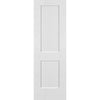
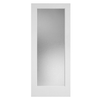
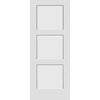


There is a reason so many homeowners in the Greater Toronto Area spend weeks researching interior doors before they ever walk into a showroom. Buying a door looks simple until you are standing in front of fifty options and realize you have no idea what separates a good one from a regrettable one. The stakes are real. A door is not a throw pillow you can swap out on a whim. It is a permanent part of your home's personality, daily function, and its resale story.
Interior French doors in particular carry a weight of expectation. People picture them in a home office, a dining room, or a main-floor bedroom—elegant, light sharing, and quietly impressive. What they do not always picture is the wrong size, the wrong glass, or hollow core doors, which tend to feel lightweight and may produce a hollow, empty sound when they close. Those are mistakes that cost money and cause regret.
The GTA has many furniture/home decor showrooms with online listings competing for your renovation budget. Knowing what to look for in an interior French door before you buy puts you in a far stronger position than going in blind.
Keep reading to understand what matters before you commit to a purchase and bring home an interior French door you will be proud of for years to come.
Let’s get started.
Interior French Doors in the GTA: What Smart Shoppers Look for Before They Buy
The right interior door store will make this process feel easy. The wrong one will leave you guessing. Here is what to pay attention to.
1. Core Construction: The Detail That Changes Everything
Most GTA homeowners only look at a door's surface. But what is inside it matters just as much as what is on the outside—and this is where many buyers get caught off guard.
Interior French doors come in two core types: hollow core and solid core. Hollow core doors are lighter and less expensive but offer almost no sound dampening and tend to feel flimsy when you close them.
A solid core door by contrast has a dense interior that gives it real weight, a satisfying close, and noticeably better sound reduction between rooms. If you are putting a French door on a home office, a main-floor bedroom, or any room where privacy and quiet matter, solid core is the better long-term choice.
Furthermore, solid core interior French doors hold hardware better over time. Hinges, handles, and locks all anchor more securely into a denser door. When you are investing in glass panel doors that carry additional weight from the glazing, that structural integrity matters even more.
Always ask the store specifically what core material they carry when it comes to your door. Never assume.
2. Glass Type: Frosted or Clear and Why It Is Not Just About Looks
The glass in interior French doors with glass panels is not purely a style decision. It is a privacy decision, a light decision, and in some cases, a safety decision too. Shoppers who treat it as only an aesthetic choice often end up disappointed.
Clear glass is beautiful. It lets full, unobstructed light pass between rooms and creates a sense of openness that genuinely makes smaller spaces feel larger. It works brilliantly on a home office that faces a bright living room, or on a dining room where you want the spaces to feel connected. The trade-off is obvious—anyone walking by can see directly into the room.
Frosted glass gives you the light without the visibility. It diffuses what passes through it, so rooms feel bright without feeling exposed. For a bedroom, a bathroom-adjacent space, or any room where you want a degree of privacy, frosted is almost always the smarter pick. Moreover, tempered frosted glass—which is what quality doors use—is significantly stronger than standard glass and far safer if it ever breaks, making it an especially sensible choice in homes with children.
A good interior door store will carry both options and help you think through the right fit for each room, rather than simply pointing you toward whatever is on sale.
3. Panel Count: How 1, 3, and 5 Panels Change the Visual Weight of a Door
This is one of the most overlooked decisions in the entire buying process, and it is one that significantly changes how a finished room looks and feels.
The number of glass panels in your interior French doors affect the room’s visual weight, light distribution, and overall style in ways that are hard to unsee once you know about them.
A 1-panel door has a single large pane of glass. It is clean, modern, and lets in maximum light. It suits contemporary homes, minimalist interiors, and spaces where you want the glass to be the feature.
A 3-panel door breaks the glass into three separate lites, which gives it a slightly more traditional feel while keeping things relatively clean. For instance, a 3-panel interior French works well in transitional homes that blend modern and classic elements.
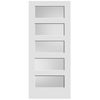
A 5-panel door has the most visual texture of the three. The glass is divided into five smaller panes, which gives the door a more cottage-like, heritage, or classic character. It suits older homes, craftsman-style interiors, and spaces where you want the door itself to feel like a design statement. The key is matching panel count to your existing trim, flooring, and overall home style—something a knowledgeable store associate can help you figure out.
4. Sizing: Why Measuring Twice Is Not Enough
Getting the size wrong on interior French doors is one of the most common and avoidable mistakes GTA homeowners make. Standard door heights in Canadian homes are typically 80 inches, though older homes often have non-standard openings that require a closer look. Width varies considerably depending on the room and original framing.
The most important measurement is the rough opening—the framed space in your wall—not the existing door itself. If you measure the old door and order the same size without confirming the rough opening, you may end up with a door that fits differently than expected. Furthermore, you need to account for the door jamb and any casing trim that will surround the frame. These add to the overall visual width and affect how the door looks once it is installed.
Bring your measurements with you when you visit a local interior door store. A knowledgeable store associate will help you cross-reference your numbers with the available sizes and flag any concerns before you get to checkout. This is the genuine advantage of buying from a local showroom rather than ordering online without guidance—you get a real conversation before you commit.
5. Slab vs. Pre-Hung: Understanding What You Are Buying
This distinction trips up a lot of first-time buyers, and the confusion is completely understandable because most door stores do not explain it clearly upfront.
A slab door is just the door itself — the panel, the glass, nothing else. A pre-hung door comes with the door already mounted inside a frame, with hinges attached and the frame ready to be set into your wall opening.
If you are replacing an existing door that is in good condition and your current frame is square and solid, a slab door can work perfectly well and will cost less. But if your existing frame is damaged, warped, or out of square—which is common in older GTA homes—a pre-hung unit is almost always the better choice. It gives you a clean, level start and typically results in a better-fitting, better-functioning door. For homeowners who are not confident in their carpentry, pre-hung doors are simply easier to install correctly.
What to Expect from a Good Interior Door Store

Once you understand what you are looking for in the door itself, the next step is finding a supplier worth trusting. The quality of where you shop matters just as much as the quality of the product.
A Genuine Range of Styles and Configurations
A good interior door store will carry more than a handful of basic options. You should be able to compare different panel counts, glass types (frosted, clear, laminated), and both slab and pre-hung configurations side by side. That kind of selection lets you make a real comparison rather than settling for whatever happens to be available.
Honest and Clear Product Specifications
Every listing should state the core type, glass specification, door thickness, and available widths plainly. If a product page is vague about materials or does not specify whether the glass is tempered, that is not a minor oversight. It is information that directly affects your purchase decision and your installation outcome.
Real Product Photography
Renderings are useful for understanding a style of door. They are not useful for evaluating finish quality, glass clarity, or the actual look of the product in a real space.
A trustworthy supplier provides multiple real photographs—front, back, close-up of the glass panel, and, ideally, a lifestyle shot showing the door installed. This is how you evaluate what you are buying.
Flexible Options Across Price Points
Quality does not have to mean paying the highest price on the page. A well-stocked supplier will offer solid, dependable options at accessible price points, as well as higher-end configurations for buyers who want them. The goal is to find the door that fits your space, your installation situation, and your budget—not to be guided toward the most expensive option in the catalogue.
Support Before and After the Sale
A strong supplier remains available after the purchase. After all, questions come up during installation, measurements occasionally need clarifying, and unexpected issues can arise. A business that stands behind what it sells will be there to help when those moments happen, and that kind of reliability is worth factoring into your decision from the start.
There is more to choosing the right interior French door than how it looks on a product page. Core construction, glass quality, accurate sizing, and a supplier who gives you straight answers—those are the things that determine whether a purchase feels right long after the door is hung. When those pieces are in place, the whole process of buying the right French interior door stops feeling like a gamble. Homeowners across the GTA consistently find that working with a dependable supplier like Home Care Supply brings genuine clarity to the experience—from first browse to final installation.


