




Most homeowners spend a lot of time picking out paint colours and flooring but little time choosing interior doors—a decision they often later regret.
There are more door options available than most homeowners expect, and that is where the confusion starts. Factors like core construction, panel count, and glass type each affect how a door performs in a specific room. Getting one of those three things wrong means living with a door that does not quite work the way you hoped.
A bedroom door that lets too much sound through, a home office door that gives you no visual separation, or a hallway door that blocks light in an already dim space are all avoidable problems. Knowing what to look for before you buy saves you the hassle of fixing it later.
In this blog, we will discuss how to choose the right core, style, and glass for interior French doors in every room of your home. This way, you can make purchases with clarity and avoid a mistake that is difficult to undo.
Choosing the Right Core, Style & Glass: A Room-by-Room Guide to Interior French Doors

Getting this choice right comes down to three things working together: the core construction, the visual style, and the type of glass. Each plays a role in how the door performs and looks in a specific room. Here is how each one affects your decision.
1. The Core Is the Foundation of Every Good Decision
Before you think about glass or style, you need to decide what the door is made of on the inside. A hollow-core door is lightweight and costs less than a more solid one. It works well in low-traffic areas where sound is not a concern.
A solid-core door has a dense interior that reduces the amount of sound passing through and gives the door a heavier, more solid feel when you open and close it. For living rooms, a home office, or a primary bedroom, a solid core is worth the added cost.
A solid-core door holds hardware better over time, too, so hinges stay tight and handles feel firm with regular use. The door is also less likely to warp during winters when heating systems dry out the air inside your home. Settling on the core type first helps you make the glass and style choices with a clearer picture of what you actually need.
2. Panel Count Shapes the Personality of the Door
Once you have settled on the core, the next thing to think about is the panel layout. A panel is the flat or raised section that makes up the face of the door.
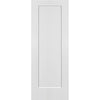
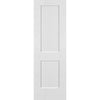
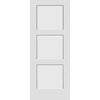
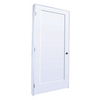
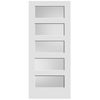
A 1-panel door has one large panel across the full face, which gives it a clean, simple look that suits modern and contemporary interiors well. A 3-panel door has more detail spread across the face of the door. A 5-panel door has a more traditional look and works well with homes that have detailed casings and decorative baseboards.
Casings are the frames that surround the door opening on the wall, and baseboards are the trim pieces that run along the bottom of the wall where it meets the floor. The panel configuration also affects how much glass sits in the door, since glass typically fills the panel openings.
For instance, a 1-panel door with a full glass insert allows more light to pass through, while a 5-panel door carries smaller glass sections with more wood between them. Think about the room the door leads into and how much light or privacy you need before settling on panel count.
3. Frosted Glass French Doors Solve Light and Privacy Problems at the Same Time

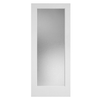
Frosted glass French doors allow light to pass through in a diffused way while preventing anyone on the other side from seeing clearly into the room. People on the other side of the door can see that a light is on, but they cannot see what is happening in the room. This makes them a practical option for bedrooms, home offices, laundry areas, and any room where natural light is useful but full visibility is not. The frosted finish also hides minor surface marks better than clear glass, which is worth considering in a busy household.
This style fits well into both modern and transitional home styles, meaning it works whether your home has clean flat trim or more detailed door casings. For homeowners who are unsure whether to go with clear or fully opaque glass, a frosted finish is usually the most sensible option because it handles both needs well.
4. Door Height and Width Matter More Than Most People Realize
Before you order anything, measure the rough opening carefully, including the width at the top and bottom, since older door frames are not always perfectly square.
A pre-hung door comes with the frame already attached, which makes installation simpler. A slab door is the door panel only, which means you are fitting it into an existing frame that is already in the wall.
For a French door setup, you are usually dealing with two door panels side by side, so the rough opening needs to be wide enough to accommodate both panels plus the point where they meet in the centre.
Taking accurate measurements before ordering saves you from having to return the door or modify the frame after it arrives. Furthermore, door height affects how the door looks relative to the room. A door that is too tall for a standard ceiling height will look out of proportion with the rest of the space.
5. Matching the Door Style to Your Existing Trim Saves You From a Costly Mismatch
A door installed next to the wrong casing or baseboard profile will look out of place, even if the door itself is good quality. If your home has baseboards with curved, decorative profiles, a flat modern door panel will not sit well beside them. If your home has clean, square-edge trim, a heavily detailed traditional panel door will clash with it.
The practical approach is to look at what you already have on the walls and choose a door panel profile that belongs to the same general style. For instance, a Shaker-style door panel, which has a simple flat centre panel with a clean frame around it, pairs well with modern flat casings and square-edge baseboards.
The door finish matters too. A primed white door that is ready to paint gives you the flexibility to match your existing trim colour exactly, which works well for most renovation projects.
6. Think About Traffic, Use, and Who Is Going Through the Door Every Day
A door that looks right on paper can still be the wrong choice once you think about how the room is used day to day. A pair of interior French doors leading into a dining room that gets regular use needs to handle that traffic without wearing down quickly. A door leading into a guest bedroom that rarely gets used faces much lighter demands.
Children and pets are hard on doors, particularly glass doors, so solid-core construction and tempered glass, which is harder and more impact-resistant than standard glass, are worth considering in a busy household.
Think about how the door swings and whether it fully clears furniture, walls, or other fixtures when open. A door that cannot open all the way because it hits a piece of furniture or a wall becomes an inconvenience that you will notice every time you use the room.
How to Match the Right Door to What Is Available in Canada
Once you have a clear sense of the core, panel style, and glass type that suits your room, the next step is knowing what to look for when you are shopping for the door and getting it delivered.
Know the Difference Between a Slab Door and a Pre-Hung Unit Before You Order
A slab door is just the door panel itself, with no frame attached. It is the right choice when you are replacing an existing door and the current frame is in good condition, square, and the right size.
A pre-hung door comes with the frame and hinges already assembled as one unit, which makes installation simpler, especially in a new opening or when the existing frame is damaged.
For interior French doors used as a double-door set, where two panels sit side by side in the same opening, a pre-hung unit is usually the better option because both doors arrive already aligned within the frame.
Home Care Supply carries both slab and pre-hung options across our door collection, which means you can choose based on your specific situation rather than having to work around a limited selection.
Glass Type and Panel Count Should Match the Room’s Light Conditions
Not every room gets the same amount of natural light, and that should drive your choice of glass more than anything else. A room that feels dim for most of the day benefits from a clear or lightly frosted glass panel that allows light to pass through from a brighter room next to it. A room that already gets strong afternoon sun may not need glass at all, or may do better with a more heavily frosted finish that reduces the amount of light coming through rather than adding to it.
The number of panels in the door affects how much glass surface area is present. A 1-panel door with a full glass insert allows the most light through, while a 5-panel door with smaller glass sections in each panel gives a more even result.
Home Care Supply carries frosted glass door options in 1-panel, 3-panel, and 5-panel configurations, giving you models that can be matched to the light conditions of each room.
Interior French Doors With Glass Panels Require the Right Hardware to Finish Properly
The hardware you choose is the last thing most people think about and the first thing everyone notices once the door is installed. Hinges, handles, and door locks need to work together visually with the door style and the room's existing fixtures.
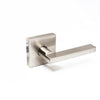
For interior French doors with glass panels, a square-lever handle in brushed nickel or matte black reads as current and clean. A round-knob handle on a modern flat panel door can look mismatched.
Beyond looks, the hardware also needs to be correctly sized for the door's weight. A solid core door is heavier than a hollow core door, and it needs hinges that are rated for that weight. Using undersized hinges on a heavy door leads to sagging over time.
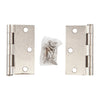
Home Care Supply stocks door hardware, including hinges and lever-style locks, that are sized for standard interior doors, making it straightforward to complete the job properly from frame to handle.
Choosing the right door for a room comes down to understanding how that room is used, how much light it needs, and how much privacy matters to you. The core, the panel style, and the glass type all affect how the door performs in that specific room, and each choice has a direct impact on the others. Interior French doors work well in a wide range of rooms when the right combination of those three things is selected for the space. Home Care Supply carries a solid selection of glass and solid interior doors at competitive prices, with Canada-wide shipping and a 30-day return policy to back up the purchase. Taking accurate measurements and thinking through how the room is used day-to-day will put you in a good position to make a decision you are satisfied with.


