




Building a new home is one of the most meaningful investments a person can make. Every decision, from the flooring under your feet to the fixtures on the wall, adds up to a space that either feels right or falls short of your expectations.
Choosing the right door is one of those decisions that most people underestimate until they are standing in a finished room and realizing that something feels off.
The right door does more than fill a gap in a wall. It controls sound, defines a room's personality, and sets a tone for the whole house. A door that feels light and cheap or looks out of place can quietly undercut an otherwise well-designed home.
Solid wood doors have been a go-to choice for generations of Canadian homeowners for good reason. They hold up well to regular usage, look beautiful, and add a sense of quality that other materials rarely match.
In this blog, we will help you choose the right solid wood doors for every room in your new build. Use this guide to help you make well-informed decisions from the very start of your project.
Getting the Right Solid Wood Doors for Your New Build

The process begins before a single door is hung. Understanding what each room needs and how a door can serve that need makes the whole experience much easier.
1. Start With the Purpose of Each Room
Every room in a new build has a different job to do, and your doors should match that. A bedroom door needs to block sound and give you privacy. A bathroom door needs to hold up in a space that gets warm and humid on a daily basis without swelling or sticking over time. And a home office door needs to block out the noise of a busy household so you can think.
Solid wood doors give you the ability to make those room-specific choices because they come in a wide range of constructions, from true solid wood to solid core options that combine wood with a composite interior.
Understanding the function of each room before you shop means you will not end up with a beautiful door that simply does not do its job. Take a room-by-room inventory of your needs before you settle on any style or finish.
2. Understand the Difference Between Door Constructions
A lot of owners of a new home are not sure what separates one door construction from another, and it is worth being clear on this before you shop.
A solid wood door is made entirely from wood all the way through. This makes it heavy and better at blocking sound than most other options.
A solid-core door has a wood or composite filling on the inside with a wood veneer on the outside. It performs in a similar way at a lower price.
Hollow-core doors are the lightest and least expensive option. They have an empty or partially filled interior, which makes them easy to hang but poor at blocking sound. They feel noticeably light when you open and close them, which can stand out in a home where everything else feels well-built.
For bedrooms, living areas, and any room where you want real privacy, solid wood doors or solid-core options are the better choice.
3. Choose a Style That Works With Your Home's Design Direction
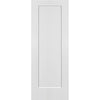
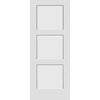
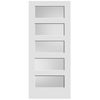
Style matters more than most people realize at the planning stage. A Shaker-style door, with its clean recessed panel and simple lines, works equally well in a modern farmhouse, a transitional home, or a classic colonial build. A flat flush door suits a contemporary or minimalist interior. A five-panel door leans traditional and works beautifully in a more formal layout.
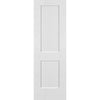
For instance, if your kitchen and living areas have clean lines and simple hardware, a one-panel or two-panel Shaker door will carry that same feeling into your hallways and bedrooms.
The aim is to create a consistent design thread throughout the home so that every room feels like it belongs to the same house. Solid wood doors are available in all these styles, which gives you real flexibility without having to sacrifice quality.
4. Think About Colour and Finish Before You Order
One of the most practical decisions you will make is whether to go with a primed white door or a natural wood finish. Primed doors are ready to paint, which means you can match them to any wall colour or trim you choose. This gives you enormous flexibility, especially if you are still finalizing your interior colour palette.
Doors with a natural wood finish, on the other hand, bring warmth and texture to a space that paint simply cannot replicate. They look particularly good in homes with hardwood flooring or wood-toned cabinetry.
A stainable wood door allows you to match the colour and grain to other wood elements in the room, like your flooring or cabinetry. Deciding on your finish direction early is practical because it affects your trim colour, your hardware choice, and other decisions that follow from it.
5. Factor in Door Size and Rough Opening Requirements
This is a detail that trips up many first-time home buyers. Interior doors come in different heights and widths depending on the room they are going into. Bathroom and closet doors are often narrower than main bedroom and hallway doors, which tend to be wider. A pre-hung door comes already set into its frame, which makes installation straightforward and consistent.
A slab door, by contrast, is the door alone without a frame, and it requires more precise fitting during its installation. If your contractor is hanging multiple solid wood internal doors throughout your house, pre-hung options can save a lot of time and reduce the chance of misalignment. Always confirm your rough opening measurements before placing an order, because returning doors is far more complicated than getting the sizing right the first time.
6. Consider Sound Control Room by Room
Sound transfer is one of the biggest quality-of-life issues in a new build, and it is one that is very hard to fix after the fact. Solid wood doors are naturally denser than hollow alternatives, which means they absorb and block sound more effectively. This matters most in bedrooms, home offices, media rooms, and bathrooms.
For instance, a child's bedroom next to a busy living area will be much quieter with a solid-core or solid wood door in place. If you are planning a home office in your new build, a denser door will help keep household noise out during the day. These are small details that are easy to get right during a build but difficult and costly to change once the house is finished.
7. Think About Glass Panels for Certain Spaces
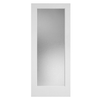
Not every door in your home needs to be a solid panel. In certain spaces, solid wood doors with glass inserts are a practical choice worth considering. A home office that faces a hallway, for example, can benefit from a glass panel door because it lets natural light into the space without fully opening it up to the noise of the rest of the house. A laundry room or mudroom with a glass panel door feels less boxed in and more connected to the surrounding area.
Frosted glass provides privacy while still letting light pass through, while clear glass works better in spaces where you want to see in or out. Furthermore, mixing solid panel doors with a few glass panel options in the right spots breaks up what can otherwise be a long stretch of identical doors down a hallway. The key is to place them where the light or openness they offer makes the room work better.
What to Look for When You Shop for Doors

Knowing what each room needs makes shopping much more straightforward. Here is what to keep in mind.
Look for a Retailer With a Good Selection of Styles and Sizes
When you type ‘wooden door shop near me’ into a search engine, the results can be overwhelming. What you are really looking for is a retailer that carries a wide enough range of styles, sizes, and constructions to meet the varied needs of a full new build. A bedroom door, a bathroom door, a home office door, and a main hallway door may all call for something slightly different, and a good retailer will have options for all of them.
Home Care Supply carries a strong selection of interior doors across multiple styles, including Shaker one-panel, two-panel, three-panel, and five-panel options, as well as glass panel doors in both frosted and clear finishes. We stock both pre-hung and slab door options, so your contractor can work with whichever format suits the job.
Check Whether Pre-Hung Options Are Available
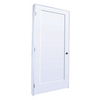
Pre-hung doors are worth considering for a new build because the door and frame come already assembled together. This leads to faster installation and reduces the chance of fitting errors from room to room. For a new build where you might be hanging eight, ten, or even more interior doors, that consistency is worth a great deal.
Home Care Supply offers pre-hung solid door options, including our popular Shaker one-panel and two-panel pre-hung doors, which ship Canada-wide and are ready to install. Having doors arrive pre-hung means your contractor can move through the installation phase faster, which is a genuine advantage when you are trying to stay on schedule during a build. Confirm with your contractor early whether they prefer pre-hung or slab, and shop accordingly.
Do Not Overlook the Hardware and Trim That Go With Your Doors
A door does not exist in isolation. The hinges, locks, casings, and baseboards that surround it are just as much a part of the finished look as the door itself. Mismatched hardware or trim that clashes with the door style can make even a beautiful solid wood door look like an afterthought.
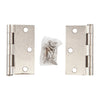
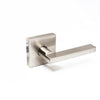
Home Care Supply stocks door hinges, door jambs, and a full range of casings and baseboards alongside their door collection, which makes it practical to coordinate everything in one place.
For instance, if you have chosen a Shaker door in primed white, matching it with a contemporary casing profile and brushed nickel hinges will tie the whole look together. Getting the trim right is a small detail that makes a visible difference in the finished room.
Choosing doors for a new build is not a small decision. The right door in the right room makes your home feel quieter, more private, more cohesive, and genuinely better to live in. Solid wood doors deliver on all of those counts, and when you choose them thoughtfully, room by room, they become one of the details you are glad you got right. Home Care Supply carries a wide range of styles, constructions, and accessories to help Canadian homeowners make that happen, without overcomplicating the process.
FAQ
Q1. What is the main difference between solid wood and solid core doors?
A solid wood door is made entirely from wood throughout. A solid-core door uses a composite or wood-fibre core wrapped in a wood veneer. It offers similar performance but at a slightly lower price range.
Q2. Are solid wood doors a good choice for bathrooms in a Canadian climate?
Yes, but the fit and finish matter. Properly sealed solid wood internal doors handle bathroom humidity well. Ensure your door is primed or finished on all six sides before installation to reduce moisture absorption.
Q3. Should I choose pre-hung or slab doors for a new build?
Pre-hung doors are generally the better choice for new builds because they arrive already set into their frame. This saves installation time and delivers more consistent results across multiple rooms.
Q4. Can I find solid wood doors with glass panels for interior spaces?
Solid wood doors with glass inserts, in frosted or clear glass, work well in home offices, laundry rooms, and hallways where you want light to pass through while still defining separate spaces.
Q5. How do I find a reliable wooden door shop near me in Ontario?
Look for a retailer with showrooms you can visit in person, a wide range of styles and sizes, and the ability to ship Canada-wide. Being able to see and touch the product before you commit is always a good idea. Home Care Supply has showrooms in both Vaughan and Burlington, Ontario.


