




Buying the wrong door is a costly lesson many Canadian homeowners only learn after the installer leaves and the gap under the frame is bigger than expected. A door is not just a piece of millwork. It shapes how a room feels, sounds, and breathes every single day.
French doors usually carry a special weight in a home. They allow light to travel between different rooms, then soften the line between spaces, and add a soft sense of grace without shouting for attention. They also cost more than a basic slab door, which is exactly why buying the wrong kind can be an expensive mistake.
The good news is that almost every common mistake related to buying French doors is preventable. A short list of checks before you buy saves money, time, and a lot of regret. You do not need to be a contractor to get this right. You only need to know what trips most people up.
Here, we will discuss seven common mistakes to avoid before you buy interior French doors, so you can make an informed choice for your home.
What to Check Before You Order Interior French Doors

Here are the seven errors that catch most shoppers off guard, along with a simple way to handle each one.
1. Measuring the Door Instead of the Rough Opening
The most common mistake occurs before the order is actually placed. People measure the old door slab and assume that it is the size to buy. The number you actually need is the rough opening, which is the framed space in the wall, not the door itself.
A French door pair requires a wider opening than a single door, because two panels meet in the middle. For instance, two 24-inch doors do not add up to a 48-inch opening, because the jambs and gap allowances take up part of that space.
Measure the width, height, as well as wall thickness. Plus, check that the floor is level across the full span. A small dip on one side throws off the swing and causes the door to rub at the bottom. Careful measurements at the start prevent costly returns later on.
2. Ignoring the Swing Direction
A French door pair takes up real floor space when it opens. Many homeowners forget to plan for this before buying. The swing direction affects where you can place furniture, how people walk through, and whether the door hits a light switch or rug.
For instance, doors that open into a small office can block the desk chair every time someone walks in. Stand in the room and walk through the motion before you place the order.
Decide if you want the doors to swing into the room or out of it, since both options change how the space feels. If floor space is tight, a sliding door or a pocket door, which slides into a hollow space inside the wall, may suit you better than a hinged pair that swings open on side hinges
The objective is to think about how the door works in the room, not only how it looks.
3. Picking the Wrong Glass for the Room
Glass is the main feature of a French door, yet many shoppers pick a pattern based only on a showroom photo. The room itself should guide your choice.
A home office or bedroom needs more privacy than a dining room or sitting area. For instance, interior French doors with glass panels in a frosted style let light through while keeping the view blurred. This works well for bedrooms and dens where you want privacy without losing brightness in the room.
Clear glass suits formal dining rooms, libraries, as well as sunrooms where openness matters more than privacy. Plus, think about cleaning. Styles with many small panes look nice, but take a long time to wipe down.
Match the glass to the daily use of the room, and the door will keep working for you for years instead of months.
4. Forgetting About Sound Transfer
People often expect a French door to block sound the way a solid bedroom door does. It does not. Glass panels let noise through more easily than a solid wood slab.
This matters most to people for offices, nurseries, and bedrooms that sit close to busy rooms. For instance, a French door between a home office and a living room with a TV will let more sound through than most buyers expect.
If sound control matters to you, look out for thick glass and a tight rubber seal where the two doors meet. A door filled with solid wood inside also blocks more sound than one with a hollow centre.
Adding a rug, soft furniture, or curtains nearby helps reduce echo on both sides. Set your expectations before you buy.
A French door gives you light as well as a clean look, but it is not a sound barrier, and that trade-off is worth knowing upfront.
5. Choosing Looks Over Construction Quality
A door looks stunning in a photo and appears not sturdy in person. The way a door is built determines whether it lasts twenty years or warps in two. What sits inside the door may matter more than the outside finish. Doors filled with solid wood hold their shape, resist dents, as well as feel heavy when you close them.
Interior doors with a hollow inside cost less but sound thinner and dent more easily. For instance, a busy home with kids and pets is well-served by a solid wood-filled French door, even if the price is quite high to start with.
Check how many hinges come with the door. A heavy door needs at least three, and sometimes four for tall units, to stop it from sagging over time.
Read the product details carefully before you order, since a door that warps in one humid Canadian summer is not a good deal at any price.
6. Underestimating the Cost of Hardware
The door price is only one part of the total. The handles, hinges, and other parts can add a surprising amount to the final bill, and many shoppers forget to plan for it.
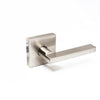
Plus, French doors need a few hardware items working together. You will need matching hinges, a handle set with a lock or simple latch, and fixed handles for the door that stays closed most of the time. A small bolt at the top or bottom also helps hold that closed door in place. For instance, a basic hinged pair might need six hinges, two handles, and one bolt at a minimum.
The finish has to match across every piece, or the full install will look unfinished. Brushed nickel on one door and chrome on the other is a small detail that hurts the larger effect. Set a clear hardware budget before you finalize the order.
7. Skipping the Pre-Hung Versus Slab Decision
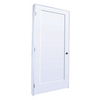
A slab is the door panel by itself, with nothing else attached. A pre-hung unit comes with the door, the frame around it, and the hinges already put together. Many first-time buyers do not know there is a difference until installation day.
Slab doors save money, but they only work if your existing frame is straight, even, and in good shape. For instance, an old home with shifted framing often needs a pre-hung unit because the old frame is no longer straight.
Fitting a slab into a crooked opening creates gaps, sticking, and uneven spaces around the edges that look unprofessional. Pre-hung doors cost more, but the install goes faster and the result looks cleaner.
If you are unsure, working with a renovator listed by the Canadian Home Builders' Association is a safe way to confirm the right choice.
Where Canadian Shoppers Trip Up When Buying From a Local Supplier
The following points shift the focus from the door itself to the buying process, highlighting what Home Care Supply offers to Canadian shoppers in terms of styles, pricing, and shipping.
Overlooking Frosted and Clear Glass Differences in Stock
Online catalogues carry many glass styles, and shoppers sometimes order the first one they like without seeing it in person. The visual difference between frosted glass, which is cloudy for privacy, and clear glass is much bigger in daily use than it looks on screen.
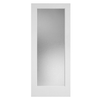
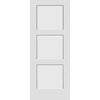
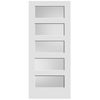
Home Care Supply website lists frosted glass 1-panel, 3-panel, and 5-panel doors, alongside clear glass options, all priced around the same range during sales. For instance, the frosted styles give privacy without blocking light, which suits bedrooms and bathrooms. The clear glass version works well for studies and formal rooms where openness matters more.
Shoppers who live near Vaughan or Burlington can visit the Home Care Supply showrooms to order a high-quality interior French door. They may also buy the product from us online.
Forgetting to Check Sale Inventory Locally
Many shoppers go straight to big-box retailers without checking what is available closer to home, and this costs them money and time. Googling keywords like ‘interior doors on sale near me’ often turns up local suppliers with better prices than national chains, especially during seasonal promotions.
For instance, Home Care Supply runs regular spring and clear-out events with doors marked down well below their regular price, and we ship Canada-wide from Ontario.
Plus, local pickup from the Vaughan or Burlington stores removes shipping costs entirely if you live within driving range. A quick comparison before you buy can save you hundreds of dollars on a pair of French doors.
The lowest price is not always at the biggest store. It pays to check what Canadian-owned suppliers are offering before you place a final order.
Ignoring Jambs, Casings, and Hinges as a Package
A door order is not complete without the trim around it. Many buyers focus only on the door panel itself. They forget to plan for the side frame, the moulding that covers the joint between the frame and the wall, and the hinges, all as part of the same project.
Plus, trim pieces that do not match each other look awkward and pull attention away from the door.
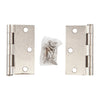
For instance, Home Care Supply stocks door hinges, side frames, and casings as separate categories, so you can match everything in one order instead of chasing pieces across many suppliers. Ordering these items together means you finish the install in one trip instead of three. The trim is what makes a door look properly fitted.
A nice pair of interior French doors with cheap casing around them always looks unfinished, no matter how good the panels are.
A good door purchase comes from knowing the small details that often get skipped. Measuring the rough opening properly, choosing the right glass, planning the swing, and budgeting for hardware are simple steps that protect your investment. Build quality matters more than a pretty photo, and local Canadian suppliers often offer better value than the big chains. Interior French doors add real warmth and light to a home when chosen with care. Home Care Supply gives Canadian homeowners a straightforward way to compare styles, prices, and finishes without pressure. Take your time, measure twice, and let the door earn its place in your home for the long run.


