




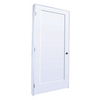



Replacing interior doors is one of those projects that feels simple until you are halfway through. A single wrong measurement or overlooked detail can turn a weekend upgrade into a drawn-out headache.
The good news is that most of these problems are avoidable, and they come down to a short list of repeated errors that new buyers tend to make. Many Canadian homeowners now buy their interior doors online, and the ones who do it well are usually the ones who learned what not to do before they placed a single order.
In this blog, we will discuss seven of the most common (and costly) mistakes first-time buyers make when shopping for interior doors online. This will help you avoid wasted money, unnecessary returns, and the frustration of a door that does not fit your frame.
7 Costly Mistakes to Avoid When Buying Interior Doors Online

The following points cover the most common errors first-time door buyers make, along with straightforward advice on how to avoid them.
1. Not Accurately Measuring Your Existing Rough Opening
This is by far the most common and most expensive mistake on this list. Many buyers assume their door openings are standard size and place an order based on that assumption alone.
The truth is that old Canadian homes, especially those built before the 1980s, often have rough openings that are slightly off from modern sizing. Even a quarter-inch gap in the wrong direction can mean a door that sticks, swings poorly, or simply does not close.
Before you do anything else, measure the height and width of the rough opening in three places: top, middle, and bottom. Write those numbers down.
Also measure the depth of the jamb, because wall thickness can vary between rooms in the same house.
This single step prevents the majority of return requests and re-orders.
2. Not Understanding the Difference Between Slab and Pre-Hung Doors
A slab door is the door panel on its own, with no frame, hinges, or hardware included. A pre-hung door comes already attached to its own frame, ready to be placed into the wall opening as one complete unit. First-time buyers often choose a slab door because it costs less and then discover that the installation is more involved than expected.
You need to fit the hinges yourself, position the latch correctly, and make sure the door sits level in the frame. If you are replacing a door where the existing frame is still in good condition, a slab door is a reasonable choice.
If the frame is warped, damaged, or you are working on a new build, pre-hung is usually the better option. They are easy to install correctly because the door is already fitted and balanced within its frame before it leaves the factory.
3. Ignoring Core Type and Picking Based on Price Alone
Hollow-core doors are lighter and less expensive than solid-core doors, which are heavier, quieter, and more durable. That much most people understand. The mistake happens when buyers choose hollow-core for every room in their house just to save a few dollars.
Hollow core works fine for a closet or a low-traffic hallway, but it falls short in bedrooms, bathrooms, and home offices where sound control matters.
A solid-core interior door absorbs noise in a way that a hollow core simply cannot match. For instance, if you work from home and need a quiet office, the price difference between hollow and solid core will pay for itself in focus and comfort within the first week. Choosing the right core for the right room is one of the smartest moves you can make when you order interior doors online.
4. Overlooking the Swing Direction
Every hinged door swings either left or right and either inward or outward. This is called the handing of the door. Many first-time buyers forget to confirm the swing direction, and what arrives is a mirror image of what they needed.
To figure out the correct hand, stand on the side of the door where it swings toward you. If the hinges are on the left, it is a left-hand door. If the hinges are on the right, it is a right-hand door.
Getting this wrong means the door physically cannot mount to your existing hinges without major rework. In tight hallways and small bathrooms, the swing direction affects how the door clears furniture, fixtures, and other doors nearby. Double-check this before you add anything to your cart.
5. Choosing a Panel Style That Clashes With the Rest of the Home
It is tempting to pick a door style based on a single photo that looks good on a screen. But that door needs to sit alongside every other door, baseboard, casing, and trim piece in your home. A sleek flat-panel door can look out of place in a house full of raised-panel mouldings, while a heavily detailed door can feel fussy in a clean, modern space.
The safest approach is to look at the trim and casing profiles you already have and pick a panel style that shares a similar character.
Shaker-style doors, for instance, tend to work well in both traditional and modern homes because their clean lines are simple without being stark. Sticking to one consistent panel style throughout the house gives every hallway and room a finished, pulled-together look.
6. Forgetting to Factor in Hardware and Trim Costs
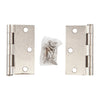
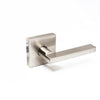
The price of the door itself is not your total cost. You still need hinges, a handle or knob, and possibly new trim pieces around the frame if the existing ones are worn or damaged. First-time buyers often spend most of their budget on the doors and then realize they have not set aside enough for the hardware.
A more practical approach is to add roughly 20 to 30 percent on top of the door price to cover everything else you will need. The Government of Canada's home renovation guide offers useful advice on budgeting for exactly these kinds of overlooked costs.
For instance, if you are buying six doors, the cost of handles and hinges alone adds up to a number worth planning for. Working out that full number before you order saves you from having to make rushed decisions later.
A good interior door shop will list compatible hardware and trim right alongside each door, which makes it straightforward to build an accurate total before you commit to anything.
7. Not Reading the Return and Shipping Policy Before Placing the Order
Whether you visit a showroom or place your order online, it is worth reading the return and shipping policies before you commit to a purchase. Colours can look slightly different on a screen than they do in person, and sizing errors can happen even when you measure carefully. Knowing the return window, any fees, and the exchange process ahead of time means you are prepared if something needs to be corrected. It is also worth checking how the doors are packaged for delivery, since they are large items that need proper protection in transit.
Some retailers offer both a physical showroom and an online store, which gives you the option to see the products in person before placing your order. A seller that makes their shipping and return policies easy to find is usually one that stands behind what they sell and wants the process to work well for you.
Practical Tips for Getting Your Door Order Right the First Time
These points cover the practical side of finding the right seller and getting your full order right the first time.
Start With a Retailer That Offers Both Slab and Pre-Hung in the Same Style
One of the easiest ways to simplify a door project is to find a single retailer that carries the same design in both slab and pre-hung options. This means you can use pre-hung doors for rooms where the frame needs replacing and slab doors where the existing frame is still solid, all while keeping a consistent look throughout the house.
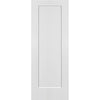
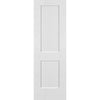
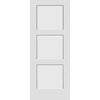
Some Canadian retailers such as Home Care Supply stock Shaker-style doors in one-panel, two-panel, three-panel, and five-panel designs across both slab and pre-hung configurations.
That kind of range means you are not forced to piece together orders from different sellers. That approach that can lead to slight differences in colour, profile, or finish that become obvious once everything is installed.
When one source carries the full lineup, your online shopping experience becomes far simpler because you can build a complete order in one place rather than juggling multiple carts and entirely separate shipping timelines.
Look for Glass Panel Options When Natural Light Is a Priority
Not every room in your home needs a solid door from top to bottom. Spaces like home offices, dens, and entryways between a kitchen and living area often benefit from a door that lets natural light pass through. Frosted glass panels give you privacy while still brightening a dark hallway, and clear glass panels work well in areas where you want a full line of sight.
Some Canadian retailers carry frosted and clear glass options in the same Shaker panel styles as their solid doors, so you can mix glass and solid throughout the house without breaking the visual flow.
For instance, pairing a frosted glass one-panel door in a hallway with solid one-panel doors in the bedrooms keeps the style consistent while still giving each room what it needs.
This is an easy detail to overlook when buying an interior door online, but it makes a real difference in how a home feels every day.
Check Whether Matching Trim, Casings, and Jambs Are Available from the Same Seller
Buying doors from one place and trim from another often leads to small differences that are hard to fix after the fact. That means that the finish on your door trim may not quite match the door itself. Or the frame pieces may not align correctly with your wall.
These are not major problems on their own, but together they make a finished room look incomplete. The simpler approach is to buy your doors, frames, hardware, and baseboards from one seller. When everything comes from the same source, the sizes and finishes stay consistent.
Few Canadian retailers, including Home Care Supply, carry all the trim and hardware you need right alongside their door inventory. This makes it easy to put a complete order together in one place. For anyone buying interior doors online for diverse rooms, purchasing from one reliable source saves time and lowers the chance of mismatches.
Use Showroom Visits or Detailed Product Photos to Confirm Your Choice
A photo on a screen can only tell you so much. The texture, the weight, and the true colour of a door are things you really need to see and touch when you can. If the retailer has a physical showroom, take the time to visit before you finalize a large order. If a showroom visit is not possible, look for a seller that provides high-resolution photos from multiple angles, along with clear specs on dimensions, materials, and finish. This extra step is especially important when you are buying several doors at once, because one poor choice gets multiplied across every room in the house.
Buying the right interior door online does not have to be stressful, but it does take a bit of preparation. Measure carefully, understand the difference between slab and pre-hung, choose the right core type for each room, and always read the return policy before you check out. These are small steps that save real money and real frustration. Home Care Supply carries a wide selection of interior doors, trims, and hardware that ships across Canada, which makes it a practical starting point for homeowners who want everything in one place. Take your time with the details, and the finished result will look and feel exactly the way you pictured it.


