




Many Toronto-area homeowners spend a lot of time picking the right style of interior door. That includes comparing panel counts, glass inserts, and sizes. But the finish on your door matters just as much as the door itself.
A good finish protects the wood from wear, moisture, and daily contact. It also sets the visual tone for the entire room. But the wrong finish can make a beautiful door look dull within a year or two.
Wood interior doors have dozens of finish options. Paint, stain, lacquer, and natural sealers all behave differently depending on the wood species and the room where the door is installed.
Here, we discuss why the finish on your wood interior doors matters and how to make the right call for every room in your home.
Why the Right Finish on Wood Doors Makes All the Difference

Here are the key reasons why the finish you choose for your wood interior doors deserves just as much attention as the door itself.
1. The Finish Protects the Wood From Daily Wear and Tear
Every interior door gets touched, bumped, and leaned against. Over time, bare or poorly finished wood shows scuffs, fingerprints, and small dents. A good finish coats the surface of the door and makes it easy to clean and maintain.
A durable finish reduces the need for frequent touch-ups or sanding. For instance, a satin polyurethane coat can handle years of regular contact without showing much wear. This is especially important in hallways and high-traffic areas such as hallways or main bedrooms where doors open and close dozens of times a day.
A sealed surface resists staining from the oils on hands, but a door without a proper finish will show visible wear and discolouration within a couple of years. The right finish keeps your wood interior doors looking the way they did on the day they were installed.
2. Stain and Paint Create Two Very Different Looks
Paint covers the wood grain entirely. It gives you a clean, uniform surface that works well in modern and minimal spaces. Stain, on the other hand, soaks into the wood and lets the natural grain show through. The choice between the two comes down to the look you want
Stain tends to highlight the character of the wood species underneath. A stained oak door, for instance, will show the natural grain pattern clearly across the surface. A painted door in flat white or soft grey gives a more polished feel.
Paint is easy to touch up when the surface gets scratched or damaged. Stain requires a bit more care because any repair needs to blend with the surrounding grain pattern. Neither option is better across the board. Each one suits different styles, rooms, and personal tastes.
3. The Wood Species Affects How the Finish Looks and Holds
Not every finish looks the same on every type of wood. Pine, for instance, has a soft grain that absorbs stain unevenly. That can result in an uneven finish if the wood is not sanded and conditioned beforehand. Hardwood species like oak or maple take stain more evenly and consistently. They also hold up well under painted finishes because the surface is dense.
Pine wood doors often look their best with a light wash stain or a solid paint coat that smooths out the grain. Oak, on the other hand, pairs well with medium and dark stains that bring out its natural texture.
The density of the wood also affects how many coats of finish you will need. Soft woods may need an extra layer for full protection. Knowing the species of your wood interior door helps you choose a finish that looks right and lasts.
4. Humidity and Room Location Should Guide Your Choice of Finish
A door in your bathroom faces different conditions than one in a bedroom. Bathrooms, laundry rooms, and kitchens carry more moisture in the air than bedrooms. That moisture can cause bare or lightly finished wood to swell, warp, or crack over time.
A moisture-resistant finish like polyurethane or lacquer adds a protective layer that holds up well in humid rooms. For instance, a door in a bathroom with a proper topcoat will last longer than one finished with just a basic stain.
Doors installed in basements or rooms with poor ventilation are also exposed to high moisture levels. These conditions affect the wood over time in the same way that a bathroom environment does. A moisture-resistant finish is the right choice for these areas as well.
A flexible finish moves with the wood instead of cracking under pressure. Choosing the right finish based on where your wood interior doors will be installed is one of the simplest ways to avoid problems down the road.
5. Matte, Satin, and Gloss Each Set a Different Mood
The sheen level (the level of shine in a finish) affects both the appearance of the door and how well it holds up. A matte finish has no shine to it. It gives the door a flat, low-key look and is good at hiding small marks and scratches. Satin has a slight sheen. It is not shiny but it does reflect a small amount of light, which gives the door a clean appearance.
Gloss has the most shine of the three. High-gloss finishes tend to be harder and more resistant to daily wear. For example, a semi-gloss finish in a busy hallway will handle scratches and cleaning better than a matte coat. The sheen level you choose should be consistent with the rest of the room. A high-gloss door in a room with flat painted walls can look mismatched. Keeping the sheen level consistent across the room gives a more balanced result.
6. A Proper Finish Helps Your Doors Match Your Trim and Flooring
Doors are installed alongside casings, flooring and baseboard. (Baseboards are the narrow strips of trim that run along the bottom of your walls where they meet the floor). The finish on the door needs to work with those surrounding elements.
If the door finish looks noticeably different from the trim around the casings and baseboards that frame the door opening, the room will look incomplete. For instance, a stained door next to white painted trim can work well when the contrast is deliberate. But a door in an off-white finish placed next to bright white casings will look like a colour mismatch.
Wood interior doors with a stained or natural finish generally work well alongside hardwood or engineered flooring in a similar colour range. The goal is not to match everything exactly. It is to make sure nothing stands out for the wrong reason.
Comparing finish samples against your existing trim and flooring before making a decision is a practical step that helps you avoid a mismatch after the door is already installed.
7. The Right Finish Adds Years to the Life of Your Door
A door with a good finish will last significantly longer than one that was finished poorly or not finished at all. The finish protects the wood surface from the wear that comes with daily use.
Doors in family homes get a lot of contact. Kids, pets, bags, and furniture all bump into them on a regular basis. A quality finish keeps the surface from showing wear so quickly. For instance, a two-coat polyurethane finish on a solid core door will hold up well through years of regular use.
Refinishing a door is possible, but it takes time and money. Getting the finish right the first time saves you having to make that effort later. A good finish is not just about appearance. It is about making sure the door stays functional and presentable for as long as possible. That is a practical reason to take the final decision seriously from the start.
Choosing the Right Finish for Doors You Can Buy Today
These points connect directly to the types of doors available right now for Canadian homeowners.
How Finish Brings Out Clean Lines on Shaker-Style Doors
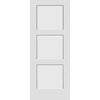
Shaker doors are popular in Canadian homes right now. Their flat panels and simple lines give them a timeless look. But that simplicity also means that their finish does a lot of the visual work.
A painted Shaker door in crisp white or soft grey fits well in modern kitchens, bathrooms, and bedrooms. Its recessed panels catch light differently depending on the sheen. A satin finish, for instance, adds just enough depth to make those panels stand out without being too flashy.
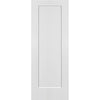
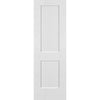
A stained Shaker door works well in spaces where you want a warm and natural feel. Home Care Supply carries Shaker doors in one-panel through five-panel options, each of which comes ready for your choice of paint or stain. That means you can match the finish to the room rather than settling for whatever comes off the shelf.
Solid Core Doors Hold a Finish Better Than Hollow Core
The construction of a door affects how well it takes and holds a finish. Solid-core doors have a dense, heavy interior that gives the surface more stability. It stays flat and even over time.
Solid-core doors resist dents and dings better than lighter options. That means the finish stays intact long because the surface underneath it is not shifting or flexing. For instance, a polyurethane coat on a solid core door will look smooth and even years after it is applied.
Hollow-core doors, on the other hand, are lighter and more affordable than solid ones. They work fine in low-traffic areas such as closets and guest rooms, but their thin outer shell can dent more easily.
A dent in a hollow core door often cracks the finish around it. If long-term durability matters to you, a solid-core door paired with a quality finish gives you the best result for your money.
Pre-Hung Doors and Trim That Share the Same Finish
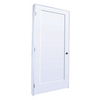
A pre-hung door comes with its frame already attached. That saves time during installation. It also gives you a chance to finish the door, frame, and trim as a matching set. When the door and its casing share the same finish, the whole opening looks intentional and clean.
Many homeowners shopping for wood doors in Toronto and across Ontario choose pre-hung options for exactly this reason. For instance, a pre-hung Shaker door with matching painted casings creates a polished look with very little extra effort.
Buying your door and trim from the same supplier helps you keep the colour and material consistent.
Home Care Supply offers pre-hung doors alongside matching door jambs and casings. That means you can plan your finish from door to trim without guessing whether the pieces will look right together once they are installed.
Glass Panel Doors Need a Finish That Complements the Light
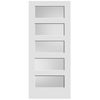
Glass panel doors let light pass between rooms. They work well in home offices, living areas, and dining rooms. The finish on a glass panel door can matter because the eye is drawn to the frame around the glass. A heavy or dark finish on a thin frame can overwhelm the door and pull attention away from the glass itself. For instance, a light satin finish or a soft white paint lets the glass stay the main feature.
Frosted glass and clear glass each pair differently with stain and paint. A frosted glass door with a natural wood frame gives a warm, balanced look, while a clear glass door with a crisp white frame feels open and bright.
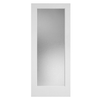
Home Care Supply carries both frosted and clear glass panel doors in several sizes to suit different rooms and layouts. Choosing the right finish for these doors makes sure the light and wood work well together.
The finish you choose for your doors is not just about colour or style. It is about protecting the wood, matching the room, and making a choice that holds up over the years. Every detail matters. The sheen, the number of coats, and the wood species underneath all play a part. Wood interior doors deserve a finish that brings out their best and keeps them looking that way for a long time. Home Care Supply carries a wide range of interior doors in styles and sizes that suit homes across Canada. Take your time, compare your options, and pick a finish that feels right for the space you are building.


