






Homeowners across Canada are paying closer attention than ever to interior details that affect their daily comfort, privacy, and the long-term value of their homes. Doors are no longer treated as simple dividers between rooms. Instead, they are seen as permanent fixtures that influence how a home feels and functions.
Interior doors play a role in sound control, visual balance, and even how spacious a room appears. As home layouts continue to favour open designs with higher ceilings, door size and construction have become important choices rather than afterthoughts.
Renovation decisions in 2026 are driven by practical thinking. People want products that last, look good for years, and fit their lifestyle without adding maintenance problems. This mindset strongly affects how homeowners choose interior doors.
Here, we will discuss the top features homeowners look for in a 96-inch door interior in 2026 in order to make an informed choice.
Important Features That Define Today’s Interior Door Choices

The following points explain what homeowners focus on when selecting 96-inch interior doors and why these features matter in everyday living.
1. Strong Construction That Feels Solid Every Day
Homeowners want doors that feel firm when they are opened or closed. A door should not feel hollow or fragile, especially in frequently used areas like bedrooms or home offices. Strong construction gives a sense of privacy and reliability that lighter doors cannot provide.
A well-built door also handles daily wear better by resisting dents, warping, and surface damage caused by temperature changes. Over time, this reduces the need for repairs or replacement.
Weight also plays an important role in how a door performs. Heavier doors tend to close more smoothly and stay properly aligned within the frame. This helps reduce strain on hinges and supports better performance over the long term.
2. Better Sound Control for Private Spaces
Noise control has become a major concern in modern households. People want bedrooms where they can sleep without disturbance, work areas that allow focus, and bathrooms that feel quiet and private. Taller doors help close gaps that let sound travel between rooms.
When a door fits well and has proper thickness, it reduces sound transmission. This is especially helpful in homes with open hallways or shared living areas. For instance, parents working from home need quieter rooms during calls, while children may want privacy in the evenings.
Sound control also adds comfort. Doors that block noise help people relax, sleep better, and focus. Over time, this improves how the entire home feels. Homeowners now see noise reduction as a practical feature rather than a luxury.
3. Proportions That Match Modern Ceiling Heights
Many newer homes are built with higher ceilings than older houses. In many homes, a standard interior door is usually around 80 inches tall, which can appear short when placed in rooms with higher ceilings. Taller doors, including 84-inch, 90-inch, and 96-inch models, extend closer to the ceiling. This leaves less empty wall space above the frame, which makes the room look more balanced.
When the door size matches the height of the walls, the space looks cleaner and less broken up. This is especially noticeable in open layouts where doors can be seen from different parts of the home.
A taller door reduces the empty space above the frame, which can otherwise draw attention and make the wall look incomplete.
In addition, doors that match the ceiling height help rooms feel more connected to each other. Instead of cutting off sight lines, taller doors allow the eye to move smoothly from one area to the next. Homeowners appreciate this consistency because it improves how the home looks overall without needing extra design elements.
4. Simple Designs That Age Well
Trends change, but homeowners want doors that still look good years later. Simple styles with clean lines remain popular because they fit many interiors. For example, these designs work with modern, traditional, and mixed decor.
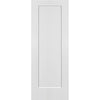
Simple doors are easier to maintain. They collect less dust and show fewer marks. This makes them practical for busy households. Furthermore, neutral designs such as plain white doors and soft wood tones allow homeowners to update paint, floors, or furniture without replacing doors.
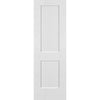
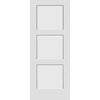
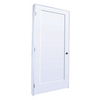
People prefer doors that blend in rather than compete for attention. A simple, calm design, such as a flat white door or a lightly detailed panel door in a soft wood tone, supports the room instead of distracting from it. This approach helps protect the door’s long-term value and avoids regret after trends fade.
5. Smooth Operation and Reliable Hardware
A 96-inch interior door should open and close without effort. Homeowners notice small problems like sticking, squeaking, or misalignment very quickly. Smooth operation improves daily comfort and reduces frustration.
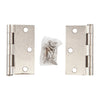
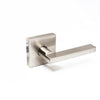
Quality hinges and handles support the door’s weight and prevent sagging. This is especially important for taller doors, which require proper hardware to remain balanced. Over time, good hardware reduces repair costs and extends the door’s life.
Moreover, reliable movement improves the door’s safety. Doors that close properly protect privacy and prevent accidental damage. Homeowners value doors that work well every day without constant adjustments or noise.
Practical Buying Factors Homeowners Focus On
Beyond appearance and function, buyers also consider where and how they purchase their doors. These practical factors guide smarter decisions.
Clear Product Information and Honest Guidance
Homeowners want clear details about a door, such as what it is made from, how heavy it is, and what is needed to install it properly. When product descriptions are unclear or vague, people often end up choosing the wrong door for their space. Reliable sellers explain these details in plain language and describe how the door will perform.
When people plan to buy interior doors, they value guidance that fits their needs rather than being pushed toward a more expensive option. Clear explanations help them understand what works best for different areas of the home. For instance, knowing how a door reacts to moisture makes it easier to choose the right one for a bathroom or laundry room.
Access to Knowledgeable Staff and Showrooms
Many buyers still prefer to see and touch a door before making a purchase. A trusted interior door shop gives homeowners the chance to compare finishes, weight, and overall feel in person, which is difficult to judge from photos alone.
Knowledgeable staff play an important role in this process. They can explain the differences between door types, materials, and finishes, and answer practical questions based on how the door will be used. This kind of guidance is especially helpful for homeowners who are renovating for the first time. Seeing real samples also makes it easier to imagine how the door will look once it is installed at home.
By visiting a showroom, homeowners can avoid any such uncertainty. For example, they can feel how heavy a door is, see the true colour under proper lighting, and check the quality of the finish. This helps them feel confident about their choice, which is important when investing in features that are meant to last for many years.
Material Choices That Support Long-Term Use
Material affects an interior door’s durability, its ability to control sound, and how it feels when used every day. Many homeowners prefer solid-core interior doors because they offer a strong, dependable feel without the higher cost of doors made entirely from solid wood.
Solid core doors are usually made with a dense engineered wood core or composite material inside, which helps them resist everyday damage and reduce sound better than hollow doors. Because of this inner construction, they feel heavier and more stable when opened or closed, which makes daily use more comfortable. Over time, this strength helps lower the need for frequent replacements.
Furthermore, solid core doors work well in Canadian climates. They handle seasonal changes better and stay aligned longer than hollow models. This makes them a reliable option for long-term planning.
Installation Compatibility and Frame Support
Even the best door will fail if installed poorly. Homeowners want interior doors that fit standard framing or can be adjusted without major construction. Proper frame compatibility reduces installation time and cost. It also helps avoid future issues like gaps or uneven movement. Buyers now check measurements carefully before purchase.
Doors that are designed to be install-ready make the process easier for both homeowners and installers. This is especially important during renovations where schedules and budgets are limited. A smooth installation helps the door work better over time and reduces the chances of problems that could require future fixes.
Fair Pricing for Long-Term Value
Homeowners look beyond the price tag and think about what they are getting in return. They compare the cost of a door with how long it will last, how it will look over time, and how well it holds up to daily use. In many cases, paying a little more upfront helps avoid repair or replacement costs.
Clear pricing also plays an important role in decision-making. Buyers want to understand exactly what they are paying for, such as the type of material used inside the door, the surface finish, and how the door is constructed. For example, knowing whether a door has a solid core or a hollow interior, or whether the finish is painted or wrapped, helps buyers understand why one option costs more than another. When pricing is explained properly, people feel more confident about their purchase instead of feeling unsure or misled.
In 2026, homeowners are choosing products that make sense for long-term use rather than simply picking the cheapest option. For instance, many prefer a door that feels solid and closes smoothly every day, even if it costs a bit more upfront, because it is likely to last longer and need fewer repairs as the home ages.
Design and Lifestyle Considerations Driving Choices
Lifestyle needs strongly influence door selection. The following points explain how daily habits shape decisions.
Support for Multi-Use Rooms
Homes now serve many purposes. A room may function as an office during the day and a bedroom at night. Doors must support these changes without compromise.
Taller doors help define spaces clearly. They improve privacy and reduce distractions. This flexibility supports modern living patterns. Homeowners value doors that adapt to changing needs. This makes their homes more practical.
Ease of Maintenance for Busy Homes
Many households prefer doors that are easy to care for and do not require frequent attention. Doors that resist everyday marks and can be cleaned with a simple wipe save time and effort. Simple finishes without heavy detailing tend to hold up better, as they do not show wear as quickly. This helps doors maintain a neat appearance for longer periods.
For busy families, easy upkeep matters because it reduces ongoing work and allows them to focus on daily routines rather than constant maintenance.
Choosing the right door is about more than size alone. Homeowners in 2026 focus on strength, comfort, sound control, and long-term value when buying doors. A well-chosen 96-inch interior door supports daily life, improves privacy, and fits modern home layouts. Practical buying factors such as material quality, clear guidance, and proper installation also shape choices. When doors match your lifestyle needs and home design, they become lasting features rather than future problems. By understanding what truly matters, homeowners can make confident decisions that serve their homes well for years to come. Home Care Supply offers a wide range of quality interior doors and home renovation products, making it easy to choose the right option for your space. Contact us to explore dependable choices for your home.


