


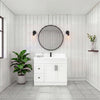
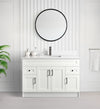
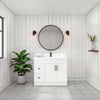
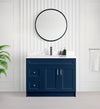



Choosing the right vanity is an important part of any bathroom upgrade, especially in homes where space is limited. In smaller Toronto-area bathrooms, every inch matters. A well-chosen vanity helps keep your bathroom neat while also adding to its overall look.
A 20-inch vanity is often chosen for powder rooms, condos, and secondary bathrooms. It offers enough surface and storage space for daily use without making the bathroom feel crowded. However, buyers often have questions about what the best vanity material is, their storage options, and styles, thanks to so many choices being available.
Understanding these details before buying makes the process easier. Knowing what materials last longer, how much storage you really need, and which style of vanity suits your home can save you time and money. It also helps avoid regret after installation.
In this blog, we will discuss the materials, storage options, and style choices for a 20-inch bathroom vanity, helping Toronto-area homeowners make an informed decision.
20-Inch Bathroom Vanity: Guide to Materials, Style & Storage
Let’s discuss the key factors that will help you understand how a 20-inch bathroom vanity fits into your home and meets your needs.
1. Why a 20-Inch Vanity Works Well in Toronto Homes
Many Toronto-area homes, especially condos and older houses, have bathrooms with limited floor space. As mentioned, a 20-inch bathroom vanity fits comfortably into these layouts without blocking movement. This size works well in powder rooms and guest bathrooms where a lot of storage is not required. Moreover, smaller vanities help the bathroom look open rather than cramped.
Builders and renovators often recommend this size of vanity for secondary bathrooms because it balances function and space. For homeowners who want a clean and simple setup, this size provides what is needed without adding bulk.
2. Measuring Your Bathroom Correctly
You need to accurately measure your bathroom before buying a vanity. That includes measuring the width, depth, and height of where the vanity will sit.
A 20-inch vanity usually fits into tight areas, but plumbing placement matters as well. Check where water lines and drains are located to avoid having to make costly changes later. Also, consider door swing and drawer clearance. For instance, the vanity’s drawers should open fully without hitting the walls or your toilet.
3. Wall-Mounted vs. Floor-Standing Vanities
When choosing between wall-mounted and floor-standing vanities, it’s important to consider both their style and functionality. Wall-mounted vanities are attached to the wall, creating space underneath. This not only makes cleaning easier but also gives the bathroom a more modern, open feel. Floor-standing vanities sit directly on the floor, offering a more traditional look and, typically, a bit more storage space. Both styles work well with a 20-inch vanity, but your choice may depend on the strength of your walls and your personal preferences.
For instance, wall-mounted vanities are better suited to sturdier surfaces, such as concrete, rather than lightweight walls. Understanding these factors will help you select a vanity that fits your bathroom and lifestyle.
4. Understanding Sink Options for Small Vanities
Sinks for 20-inch vanities are usually compact. Some vanities come with a sink already attached, while others allow you to choose yours. Integrated sinks are common because they save space, are easy to clean, reduce splashing of water, and fit the cabinet properly. Moreover, they help keep costs predictable as you won’t need to buy the sink separately or worry about additional fitting costs, such as buying extra plumbing parts or hiring a plumber for installation.
Buyers should check their sink’s depth, as shallow sinks may splash more. Choosing the right sink improves your daily comfort and keeps yourbathroom tidy.
Materials That Matter: Choosing What Lasts and Looks Good

The materials you choose for your vanity can impact both its durability and appearance over time. Below, we will discuss the most common material options and what you should consider when making your selection.
Solid & Engineered Wood Explained
Solid wood vanities are known for their strength and natural beauty. When properly sealed, they can stand up to daily use and last a long time. However, they tend to be more expensive than other options.
Engineered wood, like plywood or MDF, is more affordable. Plywood is a better option for resisting moisture and holds screws more securely, while MDF has a smooth finish but needs to be sealed properly to avoid moisture damage.
Many bathroom vanities sold by Toronto-area retailers mix materials to balance cost and durability. Knowing the differences between these options helps you choose the best vanity based on your bathroom’s environment and budget.
Countertop Materials for Small Vanities
When choosing a small vanity countertop, there are several materials to consider. Maintenance is also important to think about.
Ceramic is affordable, easy to clean, and widely available, making it a popular choice. Quartz, while a bit pricier, resists stains and scratches much better, making it more durable.
For a 20-inch vanity, lighter materials are a good choice as they put less pressure on the cabinet. For example, quartz requires less upkeep than natural stones, which require sealing and more care.
Picking the right countertop not only makes daily use easier but also keeps your bathroom looking good for years to come.
Finish Quality and Moisture Protection
Moisture in your bathroom can affect how long a vanity lasts. Good finishes protect wood from humidity and water splashes. For example, lacquer and polyurethane finishes are great choices because they provide a durable, water-resistant layer. Painted finishes should be smooth and even, while laminated finishes should stay intact and not peel at the edges. Sealed edges are also important, as they prevent water from getting inside and causing damage.
Buyers looking for the best vanity options in the Toronto area should always pay attention to the finish quality. A good finish keeps the vanity looking new longer and reduces the risk of damage.
Hardware Materials and Durability
Handles and hinges may seem like small concerns, but they have a big impact on the daily use of your bathroom vanity. Metal hardware, such as brushed nickel or stainless steel, lasts longer than plastic. Soft-close hinges are also a great choice, as they prevent noise and reduce wear and tear on the doors.
For added durability, look out for rust-resistant finishes such as chrome or brushed brass. These are ideal for bathrooms that experience a lot of moisture.
Even in smaller vanities, choosing high-quality hardware, such as heavy duty drawer slides or solid brass hinges, makes a big difference because these parts see frequent use. Durable hardware not only improves your comfort but also reduces the need for replacements, ensuring your vanity stands the test of time.
Eco-Friendly Material Considerations
Some buyers prefer materials that have less impact on the environment. For example, engineered wood with low formaldehyde emissions and water-based finishes are safer choice for both your health and the planet.
Choosing durable materials also helps reduce waste, as they last longer and don’t need to be replaced as often. While eco-friendly options may be a bit more expensive, they provide peace of mind knowing you are making a more sustainable choice. Buyers who care about sustainability often keep this in mind when selecting materials for their vanity.
Storage & Style: Making the Most of a Small Vanity
When choosing a small vanity, it is important to find the right balance between functionality and design. Here, we explore how to make the most of your space while still achieving the look you want.
Drawer vs Cabinet Storage
When it comes to storage, drawers are a better option for organization since they let you easily see and reach your items. Cabinets, on the other hand, provide more open space for taller items, such as cleaning bottles.
Some 20-inch vanities offer a mix of both. Think about what you use most often. For instance, drawers are perfect for toiletries, while cabinets are better for storing bulkier things such as cleaning supplies or extra towels. The right storage solution helps keep your bathroom organized and makes it easier to use.
Interior Storage Design
The interior design of your vanity is just as important as its exterior. Features like adjustable shelves give you the flexibility to store different items, and built-in dividers help keep things in place. Smooth drawer glides make it easier to open and close drawers without hassle.
Even small improvements like adding a pull-out tray or a dedicated space for hair tools can make a big difference in a compact bathroom.
Buyers who think ahead about their storage needs can enjoy better organization without taking up extra space.
Choosing a Style That Fits Your Home
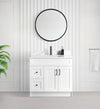
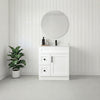
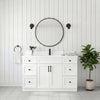
When choosing a vanity, the style should complement the rest of your home. Modern homes generally look great with clean lines and simple colours such as white or light grey, while traditional homes work better with vanities that have more intricate designs and warmer tones such as deeper shades of brown.
For a luxury bathroom vanity, Toronto-area buyers often choose refined finishes like high-gloss lacquer and high-quality details like brushed nickel handles that give the room a more upscale feel.
Matching the vanity’s style to your home’s design creates a balanced look and avoids design clashes. For example, if your home has a more traditional style with rich wood details and vintage decor, a vanity with ornate woodwork and warm, earthy tones will complement the space. This avoids a clash between modern and traditional elements.
Colour Choices for Small Bathrooms
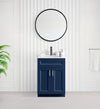
In small bathrooms, lighter colours are a great choice because they make the space feel larger. Colours like white, light grey, and soft wood tones reflect more light, making the room appear bigger. While dark colours such as navy blue, charcoal grey, or deep burgundy can work, they may make the space feel smaller. When choosing a colour, also consider how the bathroom is lit.
The right colour can improve both the look and comfort of a space, making it feel more open and relaxing. For instance, painting the walls of a small bathroom in soft light blue can create a serene atmosphere, making the room feel brighter and more spacious.
Matching the Vanity with Other Fixtures
Your vanity should coordinate with the other fixtures in the bathroom, such as faucets, mirrors, and lighting. When the finishes match, the bathroom will look more cohesive and thoughtfully designed.
For example, modern vanities often feature clean lines and minimalist designs, so chrome faucets and sleek, frameless mirrors are a great match. On the other hand, traditional designs may have more detailed woodwork, so brass fixtures and antique-style mirrors complement the overall look.
By matching the vanity with your other bathroom features, like light fixtures and towel bars, you can create a cohesive and stylish space.
A 20-inch vanity is a great fit for many Toronto-area homes, especially when space is limited, but comfort still matters. By understanding the materials, storage options, and styles, buyers can make choices they’ll be happy with for years. Taking the time to measure, plan your budget, and think about your daily needs helps avoid costly, bad choices. A well-chosen vanity can improve your bathroom’s organization and overall look, without making it feel crowded. For Toronto-area homeowners looking to make a smart upgrade, there are plenty of reliable 20-inch bathroom vanities available. With the right information, choosing the perfect vanity becomes an easy and satisfying decision, not a stressful one.


