










Interior doors are some of the last things Toronto-area homeowners plan for when building or updating a home. Yet every resident opens and closes them multiple times a day, and the wrong choice affects both room privacy and how sound carries between spaces.
The options are varied. There are solid-core and hollow-core panels, Shaker styles, glass inserts, sliding doors, and both pre-hung and slab configurations. Choosing the wrong type for a room can be costly to correct once the work is done.
This is where working with interior door suppliers in the Toronto area makes a real difference to the room’s style and function. A good local interior door supplier helps you work through the right decisions before you buy, so every choice is based on your needs, not guesswork.
In this blog we walk you through six practical tips for choosing the right interior door style for every room in your Toronto-area home.
Let’s get started.
What You Should Know Before Choosing an Interior Door Style

These six tips cover the decisions that matter most, from room function and door construction to hardware and the buying process.
Tip 1: Start With the Purpose of the Room, Not the Style
The most useful starting point is deciding what you need each door to do. A bedroom door needs to offer privacy and keep sound from travelling in from the hallway. A bathroom door has the same requirement. An interior door leading into a home office serves a very different purpose than one opening into a linen closet.
When you start with function, your style choices narrow down on their own. For instance, any room that needs sound control will almost always call for a solid-core door, regardless of the panel style on the outside.
Plus, when you decide to buy interior doors with a clear idea of what each room needs, the conversation with a supplier becomes much more focused. This reduces the risk of choosing a door that does not work well for the space in question.
Tip 2: Match the Door Style to the Character of Your Home
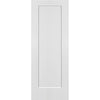
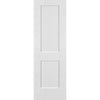
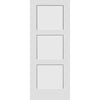
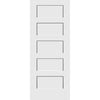
Once you know what each door needs to do, the next step is making sure the style fits the rest of the home. Shaker-style doors with clean, flat panels work well in modern and transitional interiors. Doors with raised panels suit more traditional designs. Glass panel options, frosted or clear, are a practical choice where you want light to pass through without losing privacy.
Keeping the same style throughout the home matters, too. When every room has a different door profile, the interior starts to feel uneven, even if each door looks fine on its own. Carrying one door style through the main living areas gives your home a consistent look that most people notice.
Many interior door suppliers in the Toronto area, including Home Care Supply, carry enough variety that finding one profile to use throughout the main floor is a realistic goal. A consistent style makes hardware and trim selection much simpler, since all the pieces need to work together in the end.
Tip 3: Decide on Solid Core or Hollow Core Before You Start Shopping
Solid-core doors are denser and heavier than hollow-core models, so they block sound between rooms more effectively. They are the right choice for bedrooms, bathrooms, home offices, or any other room where privacy matters day to day. Hollow-core doors are lighter and less expensive, making them a sensible option for closets and utility spaces where sound is not a concern.
The weight difference between the two is easy to feel when you handle them. A solid-core door has more weight to it each time you open and close it. A hollow-core door is much lighter by comparison. When you are buying doors for multiple rooms across a home, the choice between the two has a direct impact on your total product cost.
A good interior door supplier in the Toronto area will help you decide which construction type works best for each room before you buy.
Tip 4: Measure Swing Clearance Before You Order
Swing clearance is the amount of clear floor space a door needs to open fully without hitting a wall, furniture, or another obstacle. Many homeowners order doors without checking this first, which creates problems once the door arrives and installation begins.
Before placing any order, measure the clear floor space on the swing side of each door frame. Furniture, baseboards, and nearby wall angles all affect how much room you have.
In tighter spaces like small bedrooms, powder rooms, or narrow hallways, a standard swinging door may not work at all. It is also worth noting that the Ontario Building Code sets minimum door width and clearance requirements that apply to all residential construction, so confirming these measurements before ordering keeps your project code-compliant from the start.
Think about whether each door should swing into the room or out toward the hallway, since this affects how usable the space feels day to day. Confirming these measurements before ordering saves you from returns and extra installation costs down the line.
Tip 5: Treat Door Hardware, Casings, and Trim as Part of the Same Decision
The hardware, casing, jamb, and trim you choose for each door affect the final look just as much as the door panel itself. Pairing a good door with hardware that does not match it is one of the reasons a finished space looks incomplete, even when each product was chosen carefully on its own.
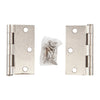
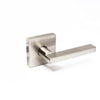
For instance, the finish on your hinges should match the finish on your handle, and both should work with the casing profile around the frame. This is why Toronto-area homeowners and contractors who source interior doors through wholesale programs tend to prefer suppliers who carry hardware and trim alongside their door range.
Buying accessories from the same supplier as your doors reduces the chance of products that do not coordinate visually. It also means fewer separate orders to manage across the project.
Tip 6: Know the Difference Between Pre-Hung and Slab Before You Visit an Interior Door Store
A slab door is the door panel on its own, with no frame included. A pre-hung door comes already mounted in a frame with hinges attached, ready to fit into a wall opening. Knowing which one you need before you visit an interior door store helps you ask the right questions and get to the right product faster.
If you are updating an existing door and the current frame is in good condition, a slab door is usually the more cost-effective choice. If you are working on a new build or the existing frame is damaged, a pre-hung door is the better option because the door and frame install together as one unit.
Pre-hung doors are a common choice for new construction because each opening gets a consistent fit from the start. Confirming which option applies to your project before placing any order saves time and avoids the cost of ordering the wrong configuration.
How the Right Supplier Makes a Real Difference Beyond the Product Itself

The six tips above focus on the door itself. These next points cover what a good supplier brings to the process and why that matters to your project’s outcome.
What the Price Really Tells You About Your Door’s Quality
A fair concern for many Toronto-area homeowners is whether a lower price signals a lower-quality product. When you come across interior doors at discounted rates, your natural instinct is to wonder what has been reduced to reach that number. The practical answer is that the price difference almost always reflects how a supplier sources and manages their inventory, not any compromise in the product itself.
Suppliers who buy in larger volumes and work more directly with manufacturers can offer better prices without reducing product quality. Interior door suppliers in the Toronto area who operate this way often carry the same products available at higher-priced retail outlets. The pricing simply fits a real project budget better.
Asking a supplier how they keep their prices competitive is a fair question, and one that any reputable supplier should be able to answer clearly.
Why Visiting a Showroom Before You Order Is Worth the Trip
A photograph does not tell you how a door feels to open, how the finish looks under room lighting, or how the weight differs between a solid-core and hollow-core panel. These are details that matter when you are buying something you will use every day.
For homeowners working with interior door suppliers in the Toronto area who have physical showroom locations, this is a practical advantage. You can open the door, compare finishes side by side, and get a clear sense of the product before placing your order.
Showroom staff can answer specific questions about sizing, installation, and product compatibility that a product listing cannot always cover in enough detail. Seeing the product in person before buying removes most of the guesswork from the decision.
How a Pro and Contractor Program Works in Your Favour
Many homeowners do not realize that wholesale and contractor-level pricing is sometimes available to them as well. When you are fitting out a new build and need doors for every room, buying in volume at a better unit price has a direct effect on your total cost. This is what a pro or contractor program at a local supplier makes possible.
Contractors and builders across the GTA who source product regularly for new builds have used these programs for years. Homeowners who ask about professional pricing options at their local supplier are often surprised by what is available to them.
Choosing the right door for each room is straightforward when you work through the decisions in the right order. Start with the function of each space, choose a style that works across the home, decide on the right core construction, check swing clearance, and include hardware and trim in the same conversation. Working with interior door suppliers in the Toronto area who carry a full range of styles, core types, hardware, and trim gives you a solid foundation for making the right choices. Home Care Supply has two Ontario showroom locations and a product range that covers doors and all the accessories that go with them.


