





Building a new home in Canada involves hundreds of decisions, most made under real-time pressures. Door selection often gets treated as a last-minute item, even though it affects every room in the house.
Getting the wrong size of door means a return, a delay, and a contractor standing around waiting. Getting the wrong style means doors that do not match the trim, the flooring, or the feel of the space.
New builds are different from renovation projects. There is no existing frame to match. Everything gets measured and ordered fresh, which gives you more control but also more ways to get it wrong if you are unprepared.
Planning to install solid interior doors for a new build? This guide explains how to choose the right size and style, order the first time correctly, and avoid common homeowner mistakes.
Getting the Right Door for Every Room in Your New Build
The points below walk you through each part of the door planning process, from confirming rough opening dimensions to choosing the right construction for each room.
1. Confirm Your Door Heights Before You Order Anything
Before placing your order, make sure you confirm the exact door height used in your new build. Interior doors are available in different heights, and the right choice depends on how your builder has framed the openings. Some homes in Canada are framed for standard-height doors (80 inches), while others use taller doors to match higher ceilings or a more modern design style.
This step is especially important because the rough opening is larger than the door itself to allow space for the jamb, shimming, and proper installation. If you are ordering pre-hung doors, check the required rough opening listed by the manufacturer before checkout. Your builder or framing crew should also provide a complete rough opening list so you can confirm every size before finalizing your order.
Confirming door heights early helps you avoid ordering the wrong size, dealing with costly returns, or delaying the project.
2. Create a Complete Door Schedule Before Ordering
Ordering doors for a new build without knowing the exact number and dimensions of all door openings can lead to sizing errors, missing units, and project delays. Start by creating a simple door schedule that lists the width, height, swing direction, and style for every interior opening in the house.
Door sizes can vary depending on the room and how each opening was framed. Bedrooms, bathrooms, closets, utility rooms, and wider access points may all require different sizes, so do not assume every opening is the same. Ask your builder, framer, or trim carpenter to confirm the final measurements.
Swing direction also matters, especially when ordering pre-hung doors. Left-hand and right-hand door configurations are not interchangeable once installed. Confirm this detail for every opening so that each door works properly with the room layout, light switches, closets, and traffic flow.

3. Know When to Use Solid Core and Hollow Core
Not every room in a new build needs the same door construction. Hollow-core doors are lighter and more affordable. They work well in closets, pantries, and utility rooms where sound reduction is not a daily concern. For those lower-traffic spaces, hollow core is a practical choice that keeps the door budget manageable.
Choosing solid interior doors for the remaining rooms is a decision most homeowners appreciate over time. Bedrooms, home offices, master ensuites, and main floor bathrooms all benefit from the added density of a solid fill material. Solid-core interior doors reduce sound transmission between rooms noticeably and hold up to daily use far better over the long term.
For instance, a bedroom door built to solid-core construction creates a quiet and private environment. The cost difference between hollow and solid core at the same panel style is modest, and for most rooms, solid construction is the better long-term choice.

4. Choose a Panel Style That Works Consistently Across the Whole House
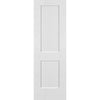
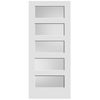
Consistency across interior doors is easier to plan in a new build, because you are choosing everything at once from a blank slate. The most popular panel styles in Canadian new construction are 1-panel, 2-panel, and 5-panel Shaker designs. They suit a wide range of interior styles and pair well with both modern and traditional trim profiles.
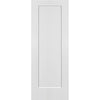
A Shaker panel door has a clean, recessed frame around a flat centre panel. It works in contemporary homes, transitional interiors, and modern farmhouse-style spaces. For a modern new build, a 1-panel Shaker is typically the most versatile starting point. If the home has a more traditional character, a 2-panel or 5-panel design adds visual detail without looking busy.
Choosing a single panel style throughout the house creates a consistent look across every room. That consistency holds up well through future changes in furniture, paint colour, and decor over the years.
5. Understand the Difference Between Pre-Hung and Slab Doors
Before ordering interior doors for a new build, confirm whether your project needs pre-hung doors or slab doors. The right choice depends on how the openings are being finished and what your installer prefers.
A pre-hung door comes already mounted in a jamb, with the hinges attached. Depending on the product, it may also come with the lock bore already drilled. This can make installation easier in new construction because the carpenter installs the complete door-and-frame unit into the rough opening. The door is then adjusted so it sits straight before casing and trim are added.
A slab door is the door panel only. It does not include the jamb, hinges, or frame. Slab doors may also need cutouts for hinges, a hole for the doorknob, and hardware installation, depending on how they are ordered. They can work well when the frame is already in place or when your installer is building custom jambs on site.
For many new builds, pre-hung doors are considered to be a practical choice because they help keep installation consistent across multiple rooms. Before ordering, always check the product details. Confirm whether the door already has a doorknob hole, whether hinges are included, and whether the jamb size matches your wall thickness.

6. Know What Primed Means Before You Commit to a Paint Colour
Most interior doors for Canadian new construction come primed and ready to paint. A primed surface has received a factory-applied base coat that improves adhesion and prepares the door for your final paint colour. You do not need to sand or apply primer yourself before painting, which saves real time at the finishing stage of the build.
Unfinished doors are bare and require both sanding and priming before paint is applied. They are typically the right choice when the homeowner wants to stain the door to show the natural grain of the wood, such as with an oak or maple finish.
For most new builds using paint-grade doors, primed is the right option. Since doors are usually painted alongside the trim and walls at the finishing stage, having pre-primed doors removes a step from the process. This keeps your painter on schedule without unnecessary preparation delays at the end of the build.
7. Find Out Whether Any Room in Your New Build Requires a Fire-Rated Door
Before you finalize your door order, ask your builder whether any room in your new build requires a fire-rated door. This can apply to certain areas of the home, such as the door between an attached garage and the living space, depending on your local building code and the way the home is designed.
A fire-rated door may look similar to a standard interior door, but it is made to provide extra protection in specific locations. The required rating can vary, so do not guess or choose a door based only on appearance. Your builder, plans examiner, or local building department can confirm which openings need a rated door and what type is required.
Ordering the wrong door for a code-required location can create problems during inspection and may need to be corrected before the home is approved for occupancy. Confirm this detail before ordering so the right product is included from the start.
What Home Care Supply Carries for New Build Door Projects
The points below connect the planning steps above to the specific products and services available at Home Care Supply.
A Shaker Panel Range Built for New Build Volume Orders
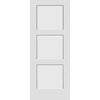
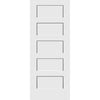
For new builds where consistency across every room matters, the Shaker panel range is the most practical starting point. Home Care Supply carries 1-panel, 2-panel, 3-panel, and 5-panel Shaker solid doors in both pre-hung and slab configurations, covering the most common widths and heights used in Canadian residential new construction. Whether you are ordering for two bedrooms or an entire multi-storey home, the range suits the scale of a full new build.
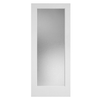
Solid Shaker interior doors in our collection come primed white and ready to paint, which suits new builds where the final wall and trim colour has not yet been decided. A primed surface means doors can be delivered to site and painted alongside the trim at the finishing stage. The range also includes frosted and clear glass panel options for spaces where natural light between rooms is a design goal.
For new builds, Shaker-style solid interior doors are a practical choice because they offer a clean, simple look that works well with many home designs.
Pre-Hung Options That Keep the Installation Straightforward
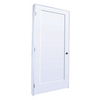
Every pre-hung door in the Home Care Supply range comes with the door slab already mounted into the jamb, hinges pre-attached, and the lock bore pre-drilled. Your contractor installs the complete unit into the rough opening, checks it for level and plumb, and shims it into place. From there, the opening is ready for casing and trim. This format is the correct choice for new builds where openings are unfinished at the time of door installation.
Pre-hung ordering also removes the need for your contractor to source or fabricate separate jamb kits on site, which reduces material costs and saves time per opening. Moreover, when ordering for an entire new build at once, the pre-hung format keeps the installation consistent across every door in the house.
The pre-hung selections are sized to standard Canadian residential rough openings, making them simple to specify from a floor plan. Home Care Supply also carries hinges and lock hardware to complete the installation as part of a single order.
Trim and Hardware to Complete the Door Package in One Order
Doors do not finish a room on their own. The casing around the door frame, the hinges on the edge, and the hardware on the face all contribute to how a finished opening looks. In a new build, choosing trim that matches the door panel style from the start creates a consistent visual result across every room in the house.
Home Care Supply carries door casings, jambs, baseboards, and hinges alongside its door range. Ordering trim and hardware at the same time as the doors means everything arrives together, and your trim carpenter can finish each opening without waiting on a second shipment.
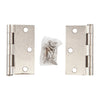
The hinge selection includes standard square-corner options in several finishes, so you can match the door hardware to your planned lock sets and fixture finishes. For instance, if brushed nickel is your standard finish throughout the house, matching the hinge colour ties every door opening into the same consistent hardware result without custom sourcing.
Getting doors right in a new build takes planning, but it is not complicated once you know what to check. Confirm your heights and rough openings, map every door in the house, and choose the right core construction for each room. Pre-hung is almost always the right format for new builds, and primed surfaces save valuable time at the finishing stage. Taking the time to order the first time correctly reduces delays and avoids costly returns. Solid interior doors are a long-term part of how a home feels and sounds every single day. Home Care Supply carries the full range and ships Canada-wide, which makes ordering for a new build straightforward from the first decision through to the final trim.


