




A barn-style door does not swing open on a hinge. It glides sideways along a mounted track that sits above the door frame. This simple change affects how a room connects to the rest of the home.
Most homeowners see these doors in photos and like the look right away. That part is easy. The harder part is understanding the weight, the track, and the support behind it all.
A heavy door slab needs strong rollers and good wall anchors. A light slab may sound hollow when it closes. Picking the right weight for your space is worth sorting out before you order.
Getting the hardware right is just as important as choosing the right door. Poor hardware leads to sticking, sagging, and early wear; good hardware leads to smooth, quiet, long-lasting use.
In this blog, we discuss how barn-style doors work, what affects their weight, and why the hardware behind them matters so much.
How Barn-Style Doors Work and Why the Hardware Behind Them Matters

This guide will help you understand how these doors operate before you buy.
1. How the Sliding Mechanism Works
A barn-style door hangs from a metal track mounted above the doorway. The door sits on rollers that glide along the track from side to side. There is no hinge or pivot point. Infact, the door stays parallel to the wall at all times during movement.
The track is usually made from steel or stainless steel, depending on the load it needs to carry. Rollers sit inside or on top of the track and support the full weight of the slab.
A floor guide at the bottom keeps the door from swaying outward. This guide is a small, low-profile piece that sits on the floor near the base.
The system is simple in concept. A heavy object rolls along a fixed rail. For instance, most residential setups use a single-track rail with two rollers spaced evenly across the top edge of the door. When the parts are matched correctly to the door weight, the door slides without noise or resistance.
2. The Wall Space You Need to Clear Before Installation
The door does not disappear into the wall when it opens. It slides to the side and sits flat against the wall surface next to the frame. This means you need open wall space equal to the width of the door itself.
A 36-inch door needs at least 36 inches of open wall space beside the opening. That wall needs to be clear of switches, vents, and shelving. A door that cannot slide fully open is a common and avoidable problem.
Ceiling height also matters. The track adds a few inches above the door frame. You need enough room between the top of the frame and the ceiling to mount the track and its brackets. For instance, most standard setups need about four to six inches of clearance above the frame. Measuring this before you order will save you from a frustrating return.
3. How Much a Barn-Style Door Actually Weighs
The weight of the door slab depends on its core type. A solid-core slab in a standard 36-inch by 80-inch size can weigh between 60 and 80 pounds. A hollow-core version of the same size may weigh close to 25 to 35 pounds.
That difference affects everything. That weight decides what track, what rollers, and what wall anchors you need to buy. Heavy doors tend to feel more solid and block more sound when closed. Light doors cost less and are easy to handle during installation.
A solid-core slab uses a dense composite fill that adds weight and blocks sound. A hollow core slab has a lightweight cardboard structure inside. If the door separates a bedroom from a busy hallway, solid core is the better fit. For a pantry or storage space, hollow core gets the job done without the extra cost.
4. Track Systems and Load Ratings You Should Know About
Every track has a maximum weight it can handle. Staying within that limit keeps the system working properly. A door that is too heavy for the track will cause it to warp and the rollers to wear out early.
A standard residential track supports anywhere from 150 to 250 pounds. That sounds like a lot for a single door slab. The rating accounts for the stress of repeated movement and gravity pulling down on the track over time. Choosing a track rated well above your door weight adds years of reliable use.
Track length also matters. The track should be roughly double the width of the door opening. For instance, a 36-inch door opening needs a 72-inch track to allow full clearance.
When you look at barn doors for sale online or in a showroom, always check the track specifications listed alongside the slab. Ignoring that detail is one of the most common and costly mistakes homeowners make.
5. Why Roller Quality Makes or Breaks the Experience
The rollers are the part that carries the load. They sit inside the track and support the full weight of the door as it moves back and forth. Low-priced rollers wear out fast. Good rollers last for years without a sound.
Ball-bearing rollers are the standard for quality setups. They distribute the weight evenly and reduce friction during movement. Ball-bearing designs handle heavy doors without straining or sticking. Nylon rollers are a budget option, but they tend to wear down fast under daily use.
The roller hangers connect the door slab to the rollers above. These hangers need to be tight and level. For instance, uneven hangers cause the door to tilt or drag along the floor guide. Most quality roller kits come with adjustable hangers so you can fine-tune the height and alignment during installation. Spending a few extra dollars on good rollers saves you from headaches down the road.
6. Wall Anchors, Studs, and the Header Board Most People Forget
The track attaches to the wall directly above the door frame. It carries the full weight of the door on a daily basis. If that section of wall does not have proper support behind it, the track will start to pull away.
Wood studs are the strongest anchor points available behind drywall, which is the thin white wall material you see on the inside of most Canadian homes. Stud spacing in Canadian homes follows Canadian building code standards, so they are usually placed 16 inches apart. The goal is to land each track bracket directly on a stud. When the studs and bracket holes do not line up, a header board fills the gap. A header board is a flat piece of wood that runs across the studs above the frame.
The track bolts into the header board instead of the drywall. This spreads the door weight across several studs rather than one spot. A one-inch by six-inch pine board is a common and reliable choice for most residential barn-style doors. Skipping this step with a heavy door puts too much load on a small area and causes the brackets to loosen over time.
7. Why Cheap Hardware Fails and What to Look for Instead
Low-cost hardware kits are easy to find online and in stores. They often look fine in product photos. The problems tend to show up after a few months of regular use. Rollers start to grind, tracks bend under the weight, and brackets loosen from the wall.
Good hardware uses thick steel for the track and well-built rollers that hold up over time. A quality kit includes all the bolts, spacers, and floor guides you need in one box. You should not have to buy extra parts just to finish the install.
Whether you Google ‘barn doors near me’ to visit and shop from a local showroom or buy for your door online, always check what hardware comes with it. Some sellers offer the slab and the track kit separately. Others package everything together. Knowing exactly what is in the box before you place your order helps you compare options clearly and avoid added costs on installation day.
Choosing the Right Barn-Style Door for Your Home
The following points connect the details above to real products and practical buying decisions for Canadian homeowners.
Solid-Core Options That Handle Weight and Sound Well
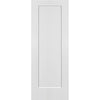
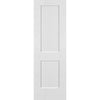
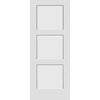
A solid-core barn-style door is heavier, quieter, and more durable than a hollow-core option. Home Care Supply carries solid core Shaker-style slabs in several widths, from 24 inches up to 36 inches. These doors work well with a properly rated track system and a sturdy roller kit.
The Shaker panel design has a clean and simple look. It fits well in modern homes, older homes, and most spaces in between. A solid-core door holds its shape and does not make noise when you move it. You can feel the difference in weight and quality the first time you use it.
A solid-core 1-panel or 2-panel Shaker slab is a good fit for bedrooms, home offices, and main-floor living areas. The added weight keeps the sliding motion steady and controlled. The dense core also helps reduce sound passing through from one room to the next. These are small details that make a real difference in daily comfort.
Glass Panel Barn Doors That Let Light Through
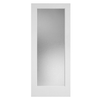
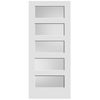
A frosted glass panel door is a smart choice for rooms that need privacy and natural light at the same time. Frosted glass blocks the view while still allowing daylight to pass through the panel. This works well for home offices, en-suites, and rooms without windows.
Home Care Supply offers frosted glass doors in 1-panel, 3-panel, and 5-panel layouts. Plus, these slabs come in standard sizes that fit most residential openings. Glass adds more weight than a basic hollow core slab, so you will need a track system rated to handle that extra load.
For instance, a frosted glass 1-panel slab mounted on a wall-mounted track creates a bright and open feel in a tight hallway. Clear glass options are also available for spaces where full visibility is not a concern. Both options ship Canada-wide and come in standard 80-inch and 84-inch heights.
Pre-Hung vs. Slab-Only and What That Means for a Barn Door Setup
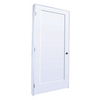
A slab door is the door panel on its own. A pre-hung door comes with a frame and hinges already attached. For a barn door setup, you almost always want the slab-only option. The frame and hinges are not needed because the door hangs from the track above.
Buying a slab means you pay less and get exactly the piece you need. It keeps the installation simple because there is no frame to fit into the rough opening. You just mount the track, hang the door, and attach the floor guide.
For instance, Home Care Supply sells Shaker-style slab doors starting at very reasonable price points. That gives you room in the budget for a quality track and roller kit. Choosing slab-only also opens up more size and panel-style options compared to pre-hung packages.
Shipping, Returns, and Seeing the Door in Person Before You Buy
Buying a door online is a fast and convenient way to shop. You can compare sizes, styles, and prices from home without leaving the couch. Many homeowners also like the option of seeing and touching the product before placing an order.
Home Care Supply gives you both choices. We operate two Ontario showrooms, in Vaughan and Burlington, and we ship across Canada, with a 30-day return policy on all orders. You can visit in person or shop online, knowing that a return is simple if the product does not work out.
If you are not sure whether a 1-panel or 5-panel Shaker suits your hallway, visiting the showroom helps you decide quickly. If the showroom is too far, the product photos and listed dimensions on the website give you enough detail to choose with confidence. Either way, a 30-day return policy means you are not locked into a final decision at checkout.
A barn door setup works best when every part is chosen to match. The track, the rollers, the wall anchors, and the door weight all play a role. When they are matched correctly, the door slides quietly, stays level, and holds up well over the years. When they are not, problems start early and get worse over time. Understanding barn-style doors at this level helps you make better choices before you buy. It means fewer problems during installation and a better result when the job is done. Home Care Supply carries slab doors, hardware, and matching trim for Canadian homeowners who want to get it right the first time.


