




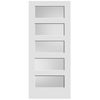
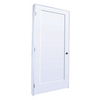


Many homeowners in Toronto focus on floors, paint, and cabinets during renovations, with doors getting less attention. But interior doors play a big role in how a home looks and functions every day. Choosing the wrong type or installing them the wrong way can lead to long-term frustration, higher costs, and poor results.
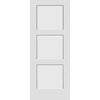
Pre-hung interior doors are popular because they come with the frame already attached, which saves time and reduces installation issues. However, many people assume that buying a door is simple and rush the process. This often leads to mistakes that affect comfort, privacy, and even resale value.
Toronto homes have unique needs. Older houses, condos, and newer builds all have different wall structures and space limits. Ignoring these details can cause problems that only show up after installation. Poor planning can also result in doors that do not close properly or look out of place. Understanding these common mistakes helps homeowners make better decisions before spending money. In this blog, we will discuss the mistakes that Toronto homeowners should avoid when buying and installing pre-hung interior doors.
Pre-hung Interior Doors: Key Errors That Affect Your Home

Let us look at the most common mistakes that Toronto homeowners make and how they can be avoided with better knowledge and preparation.
1. Not Measuring the Door Opening Correctly
One of the most common mistakes is assuming all door openings are the same. Many Toronto homes, especially older ones, have uneven walls or non-standard door openings. If measurements are off by even a small amount, the door may not fit properly.
People often measure only the width and forget about height and wall thickness. This causes gaps or forces installers to cut into the wall. As a result, the door frame may not sit straight. This affects how the door opens and closes.
Moreover, walls are not always perfectly square. If this is ignored, a pre-hung interior door can swing on its own or scrape the floor. Taking accurate measurements from multiple points helps avoid these issues. Proper measuring saves time, money, and frustration later in the process.
2. Choosing Style Over Function
Many homeowners pick doors based only on how they look. While appearance matters, function is equally important. A door that looks good but does not suit the room’s purpose will quickly become a problem.
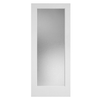
For instance, a bedroom needs privacy and sound control. A thin or hollow door may allow noise to pass through easily. On the other hand, living areas may benefit from designs like interior French doors that allow light to move between rooms.
Swing direction also matters. Choosing the wrong swing can block furniture or make a room feel tight. For example, in a living room, if a door swings inward, it might block access to a sofa or side table, limiting space for movement.
Thinking about how the room is used every day helps balance style with practicality. A door should support daily life, not complicate it.
3. Ignoring Door Material Quality
Not all doors are made the same, and material quality makes a big difference. Some homeowners choose cheaper options without understanding the long-term effects of such a decision. Low-quality doors are often less expensive but more likely to warp, dent, or lose shape over time. These doors might look fine at first, but they can quickly lose their structural integrity. For instance, an entry-level hollow core door may be suitable for a closet, but for high-traffic areas, it won’t hold up as well.
A pre-hung solid core door, on the other hand, provides better sound reduction and feels more durable when opened or closed. This is especially useful for bedrooms, home offices, or shared living spaces where privacy and noise control are important. A solid core door offers good insulation, making it ideal for Toronto's varying temperatures.
Quality materials also handle humidity changes better. For example, solid wood doors or engineered doors with moisture-resistant features are quite stable in Toronto’s seasonal weather, which can affect indoor conditions. Choosing premium materials like solid wood or premium engineered doors helps the door last longer, maintain its shape, and withstand the changing seasons. Spending wisely when it comes to buying a pre-hung interior door avoids repeated repairs and the need for frequent replacements down the road.
4. Overlooking Local Building Conditions
Interior doors in Toronto-area homes face specific challenges. For example, condos often have strict rules, while older houses may have uneven framing. Ignoring these conditions leads to installation problems.
For example, in older homes, the door frame might not be square, or the walls might have shifted slightly, causing the door to misalign. Buying an interior door without checking these details can lead to delays or added costs.
Hallway width and ceiling height also matter during installation. A door that fits on paper may be hard to move inside the home. Understanding local building conditions before buying helps prevent surprises and keeps the project on track.
5. Assuming Installation Is Always Simple
Many people believe pre-hung doors are easy to install without professional help. While they do save time, proper installation still requires skill. An incorrectly installed door can cause long-term problems.
If the frame is not level, the door may not latch properly. Over time, this leads to wear on hinges and handles. Gaps around the frame can also affect insulation and noise control.
Furthermore, improper installation can damage surrounding walls. Fixing these mistakes often costs more than hiring help in the first place. Knowing when to seek professional assistance helps protect both the door and the home’s structure.
6. Forgetting About Door Hardware Compatibility
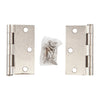
Door hardware is often treated as an afterthought. However, handles, hinges, and locks must match the door’s thickness and weight. Using the wrong hardware can affect how the door works.
Heavier doors need stronger hinges to support their weight. If hinges are too weak, the door may sag. Handles that do not fit properly can loosen or fail early.
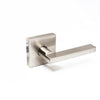
Hardware style should also match the door design and home interior. Planning hardware choices along with the door avoids mismatches. Proper compatibility improves performance and keeps the door working smoothly for years.
7. Skipping Sound and Privacy Considerations
Many homeowners do not think about sound control until after installation. This mistake becomes clear when noise travels easily between rooms. Privacy matters, especially in shared homes.
Bedrooms, bathrooms, and offices benefit from doors that block sound. Thinner doors allow conversations and noise to pass through. This affects comfort and focus.
Furthermore, gaps around the door frame reduce sound control. Proper fitting and sealing help reduce this issue. Thinking about privacy needs early helps you choose the right door type for each room and improves daily living.
Key Factors That Help You Choose Better Doors
Understanding the following factors helps homeowners make confident decisions and get better value from their purchase.
Understanding Room-Specific Needs
Each room serves a different purpose. Bedrooms need privacy, while common areas may benefit from light flow. Choosing doors based on room use improves your comfort.
For example, storage rooms may not need heavy doors, while offices benefit from sound control. Bathrooms require doors that handle moisture well. Matching door features to room needs improves your long-term satisfaction with your pre-hung interior doors.
Furthermore, considering daily routines helps determine swing direction and handle placement. Thoughtful planning makes the home easier to use and more comfortable for everyone.
Planning for Long-Term Maintenance
Doors are used every day, so their maintenance matters. Some materials require more care than others. Understanding this helps avoid future frustration.
Painted doors may need touch-ups, while certain finishes hide wear better. Hinges and handles also need occasional tightening. Choosing durable materials like solid woods reduces upkeep.
Quality interior doors resist warping and cracking. Planning for maintenance keeps doors looking good and working well over time. This protects the homeowner’s investment.
Choosing interior doors may seem simple, but small mistakes can create long-term problems. From measuring errors to rushed decisions, each issue affects comfort, appearance, and durability. Toronto homes have unique needs, and ignoring them leads to costly fixes. By understanding common mistakes and planning carefully, homeowners can make better choices. When selected wisely, pre-hung interior doors add value, improve privacy, and support daily living. For high-quality interior doors and expert advice tailored to your needs, contact Home Care Supply today and find the perfect doors for your home renovation project.


