


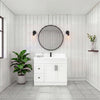
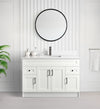
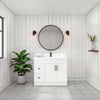
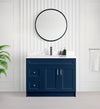
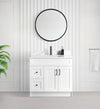
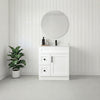
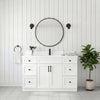
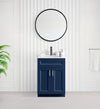


Condos, apartments, and older houses in and around Toronto often have smaller bathrooms. These may not be big, but they are used every day, which makes their layout important.
One of the most important layout choices you can make is to pick a small vanity with a sink. That’s because it affects how your bathroom looks and how easy it is to use.
A small vanity is made for tight bathrooms where every inch counts. While appearance matters, it is just as important to think about how the vanity will be used every day. Storage space, sink size, and ease of cleaning all play roles.
Bathrooms in Toronto homes come in a variety of configurations and dimensions, so there is no one-size-fits-all solution when it comes to vanities. Knowing what to look for helps you choose the right option, especially when buying a small vanity with sink. Here, we explain what truly matters so you can choose your vanity with confidence.
What Makes a Small Vanity with Sink Perfect for a Compact Toronto-Area Bathroom
Below are the key things to consider to pick the right small vanity with sink for a compact bathroom in a Toronto-area home.
1. Measure Your Bathroom Carefully
Measuring your bathroom properly is the first step. Many small bathrooms have tight layouts or doors that open inward. Knowing the exact width, depth, and height of the space helps to prevent buying a vanity that feels too large or blocks movement.
It is also important to allow enough room for cabinet doors or drawers to open comfortably. Even a small difference in size can affect how easy the bathroom is to use. Accurate measurements make it easier to compare vanities and choose one that fits your bathroom without needing layout changes.
2. Understand the Layout of Plumbing
The location of your existing bathroom plumbing plays a big role in your vanity selection. When selecting a small vanity with a sink, check how the sink is positioned in the cabinet and how the inside space is laid out so it works with your current plumbing. Changing the position of water lines and drains adds work and, therefore, cost. Choosing a vanity that lines up with your current plumbing keeps installation simple.
Note that some small bathroom vanities are designed to hide pipes while still offering usable storage space.
3. Choose the Right Type of Vanity Design
Small vanities with sinks come in wall-mounted and floor-standing units. The former creates the feeling of more floor space because the floor remains visible. This works well in very tight bathrooms. Floor-standing vanities usually offer more storage and a sturdier feel.
Corner vanities can also work well in some small bathrooms, because they make use of space that would otherwise be left unused.
4. Focus on Storage That Matches Daily Needs
Storage matters even in a small vanity. A countertop alone is not enough if everyday items have no place to go. Drawers are often more practical than deep cabinets because they make items easy to reach. Shelves inside cabinets also help organize cleaning supplies and toiletries. For instance, storing items vertically can save space.
Choosing a vanity with smart storage helps keep the bathroom clean and uncluttered, which is especially important in compact bathrooms where mess becomes noticeable quickly.
5. Pick Materials That Handle Moisture Well
Bathroom vanities are exposed to steam and moisture most every day, so the cabinet and countertop materials need to be able to handle these conditions. Durable materials help the vanity maintain its integrity and appearance, even with regular use, including:
- Solid wood can look appealing but may warp if not properly sealed.
- Medium-density fiberboard (MDF) with a water-resistant coating is a common and cost-effective option.
- Quartz or ceramic countertops resist stains and water damage and are easy to clean.
- Finishes like sealed laminate or moisture-resistant paint help protect surfaces and reduce upkeep.
Matching Style & Comfort for Small Bathrooms

Once the size of the vanity with sink and how it fits into your compact bathroom’s layout are sorted, it’s time to think about how the vanity will look and feel in daily use. Its style affects how the bathroom looks, while its design affects how easy it is to use. Here we explain how simple design choices can improve both.
Choose Colours That Make the Space Feel Open
Lighter colours can make a small bathroom feel more open and welcoming. Shades like white, soft grey, and light wood help reflect light around the room, which makes the space feel less tight. Darker colours, like navy blue or deep charcoal, can still work but usually need good lighting so the space does not feel smaller. Keeping the vanity colour close to the wall tiles or flooring helps the room look more connected. When colours work well together, the vanity blends into the space instead of standing out.
Select a Sink Shape That Saves Space
The shape of your sink affects how much usable space you have on the vanity. Rectangular sinks usually leave more room along the edges than other styles, which makes it easier to place items like soap or a toothbrush holder. Rounded sinks can be a good option in narrow bathrooms because they soften corners and make the space feel less tight. Sinks that are built directly into the countertop are also easier to clean and help keep water from spilling onto surrounding surfaces.
When choosing a small bathroom vanity with sink for your Toronto-area home, it helps to think about how the sink will be used every day. The key is to make sure that it fits the space without taking over the counter.
Think About Faucet Placement and Height
The faucet plays an important role in how comfortable the sink is to use. A very tall faucet can cause splashing in a shallow sink, while a very short faucet may feel awkward to use. Wall-mounted faucets can free up counter space but need to be installed at the correct height. Single-handle faucets are often easier to use in small bathrooms because they are simple to adjust. A faucet that matches the sink size helps keep the vanity area cleaner and easier to use.
Balance Modern Style with Long-Term Use
Modern vanities often have simple shapes and drawers without handles, giving them a clean look. While this style is popular, the vanity should also be practical enough for daily use. Features like soft-close drawers reduce noise and wear. Smooth surfaces on the cabinet and countertop make cleaning up spills easier. Simple designs, such as plain cabinet fronts and neutral colours, tend to look good longer than bold or trendy styles. Choosing a design that lasts helps avoid early replacement.
Match the Vanity with the Overall Bathroom Theme
The vanity should suit the rest of the bathroom rather than looking out of place. For example, a modern vanity works well with plain subway tiles or large neutral tiles and simple accessories like a basic mirror. A classic vanity pairs better with traditional fixtures such as chrome or brushed nickel taps and warmer colours like beige or cream.
When these elements work together, the bathroom feels more comfortable and well planned, even in smaller Toronto-area homes.
Practical Buying Tips for Toronto-Area Homeowners
Once you know what style and features you want, a few practical buying steps can help you avoid mistakes and get better value for your money.
Check Local Availability and Buying Options
Buying from a supplier that offers both online and in-store options gives you more flexibility. While browsing online is convenient, some vanities can look different in person, especially in terms of their size, colour, and finish. Visiting a showroom allows you to see the materials up close and get a better sense of how the vanity will look in your bathroom. At the same time, online ordering can save time when you already know what you want.
Many Toronto-area suppliers also offer pickup and delivery, which helps keep renovation plans moving without long delays or complications.
Compare Price with Build Quality
A low price does not always mean good value. Very inexpensive vanities often use thinner materials that may not hold up well. Looking at details such as drawer slides, door hinges, and surface finishes can give a better idea of how well the vanity is built. Strong construction allows drawers to open smoothly and doors to stay aligned. Paying a little more for better quality often means fewer repairs and a longer-lasting vanity that better handles daily use.
Choosing a vanity with a sink for a small bathroom requires more than just picking a design you like. Taking accurate measurements, working with your existing plumbing, and choosing materials that can handle daily use all help prevent problems. The vanity should look good, but it also needs to be comfortable to use and practical for everyday routines. Light colours, useful storage, and a sink that fits the space properly can make a small bathroom feel easier to use. Paying attention to build quality and buying from reliable local suppliers also adds long-term value. When function and appearance are balanced, the bathroom feels more organized and pleasant, especially when choosing a small vanity with a sink.


